Table of Contents
If you're shopping for a used diesel truck or recently purchased a newer diesel vehicle, you may be wondering about diesel exhaust fluid (DEF) requirements. Understanding which model years require DEF helps you plan for ownership costs, maintenance routines, and what to expect from your diesel vehicle's emissions system.
The short answer is that most diesel trucks manufactured after 2010 require DEF. However, the specific implementation timeline varies by manufacturer, and understanding the regulatory history behind these requirements provides valuable context for any diesel truck owner or prospective buyer.
This comprehensive guide covers everything you need to know about DEF requirements across major truck manufacturers, the regulations that created these requirements, how DEF systems work, and what to expect as a diesel vehicle owner in the era of Selective Catalytic Reduction technology.
The Regulatory Foundation: Why Trucks Need DEF
Understanding why diesel trucks require DEF begins with the regulatory framework that created these requirements. Environmental regulations targeting diesel emissions have evolved significantly over decades, culminating in standards that made DEF and SCR technology essentially mandatory for modern diesel vehicles.
The Clean Air Act and Its Evolution
The Clean Air Act of 1970 established the foundation for air pollution regulation in the United States. This landmark legislation gave the Environmental Protection Agency (EPA) authority to set and enforce emissions standards for motor vehicles and stationary sources.
Since 1970, the EPA has progressively tightened emissions standards for diesel engines. Each regulatory phase required manufacturers to reduce emissions further, driving technological innovation in diesel engine design and exhaust treatment.
The regulations affecting diesel trucks evolved through several phases:
Tier 1 standards (1994-1998) established initial federal emissions requirements for heavy-duty diesel engines.
Tier 2 standards (2004-2009) required significant reductions in nitrogen oxides (NOx) and particulate matter emissions.
2007 regulations mandated diesel particulate filters (DPF) on heavy-duty diesel engines, requiring dramatic reductions in particulate matter emissions.
2010 regulations required further NOx reductions that made Selective Catalytic Reduction with DEF the dominant compliance technology.
The 2010 EPA Standards
The 2010 EPA emissions standards represent the regulatory milestone that made DEF requirements widespread across the diesel truck industry.
These standards required heavy-duty diesel engines to reduce NOx emissions by approximately 90% compared to previous limits. The resulting NOx limit of 0.20 grams per brake horsepower-hour was so stringent that most manufacturers determined they couldn't meet it through engine modifications alone.
Effective January 1, 2010, these standards applied to all new heavy-duty diesel engines. Manufacturers had to comply immediately, which meant any diesel truck built for the 2010 model year or later needed emissions technology capable of meeting these strict limits.
According to the Environmental Protection Agency's regulations for heavy-duty vehicles, these standards represent some of the most stringent diesel emissions requirements in the world.
Why NOx Reduction Matters
Understanding why regulators focused on nitrogen oxides helps explain the technology choices manufacturers made.
Nitrogen oxides (NOx) form when nitrogen in the air combines with oxygen under the high temperatures and pressures inside diesel combustion chambers. Diesel engines are particularly prone to NOx formation because their high compression ratios create ideal conditions for these reactions.
Environmental impacts of NOx include formation of ground-level ozone (smog), contribution to acid rain, and degradation of air quality in urban areas.
Health impacts of NOx exposure include aggravation of respiratory conditions like asthma and bronchitis, increased susceptibility to respiratory infections, and contribution to lung tissue damage.
These environmental and health concerns drove increasingly strict NOx limits that ultimately required aftertreatment solutions like SCR with DEF.
How DEF and SCR Technology Work
Understanding the technology behind DEF requirements helps diesel owners appreciate what their vehicles are doing and why proper DEF usage matters.
Selective Catalytic Reduction Explained
Selective Catalytic Reduction (SCR) is the emissions control technology that requires DEF. The system treats exhaust gases after they leave the engine, converting harmful nitrogen oxides into harmless nitrogen and water vapor.
The process works through several steps:
DEF injection introduces diesel exhaust fluid into the hot exhaust stream upstream of the SCR catalyst. The fluid is precisely metered based on engine operating conditions and exhaust NOx levels.
Thermal decomposition occurs as DEF enters the hot exhaust. The water in DEF evaporates, and the urea component breaks down into ammonia and carbon dioxide.
Catalytic reaction happens inside the SCR catalyst, where ammonia reacts with nitrogen oxides to produce nitrogen (N2) and water (H2O)—both harmless components of normal air.
Efficiency levels of 90% or greater NOx reduction are achievable with properly functioning SCR systems, enabling compliance with the strictest emissions standards.
What Is DEF?
Diesel exhaust fluid is a precisely formulated solution that provides the ammonia needed for SCR reactions.
Composition is standardized at 32.5% high-purity urea and 67.5% deionized water. This specific formulation is required by ISO 22241 standards and ensures consistent performance across all compliant DEF products.
Urea quality must be automotive or pharmaceutical grade, not agricultural grade. The purity requirements prevent contaminants that could damage SCR catalysts.
Water quality must meet strict standards, requiring deionized or demineralized water to prevent mineral deposits in the system.
Brand names for DEF include AdBlue (common in Europe), Blue DEF, and various OEM-branded products. All ISO 22241-compliant products are interchangeable regardless of brand.
Why Manufacturers Chose SCR
Several competing technologies could potentially reduce NOx emissions. Understanding why manufacturers predominantly chose SCR explains the widespread DEF requirements.
Exhaust Gas Recirculation (EGR) reduces NOx by routing some exhaust gas back into the combustion chamber, lowering combustion temperatures. While effective, EGR alone couldn't achieve the 90% reductions required by 2010 standards and tends to reduce fuel efficiency.
Lean NOx Traps (LNT) or NOx absorbers capture NOx during normal operation and release it during periodic rich-burn regeneration events. These systems proved less efficient for heavy-duty applications.
SCR advantages include the ability to achieve very high NOx reduction rates, compatibility with fuel-efficient engine tuning, proven reliability from decades of industrial use, and relatively low operating costs.
Most heavy-duty diesel manufacturers determined that SCR with DEF provided the best combination of emissions reduction, fuel efficiency, and cost-effectiveness for meeting 2010 and subsequent regulations.
DEF Requirements by Manufacturer
The specific model years requiring DEF vary somewhat by manufacturer based on their individual compliance strategies and product development timelines.
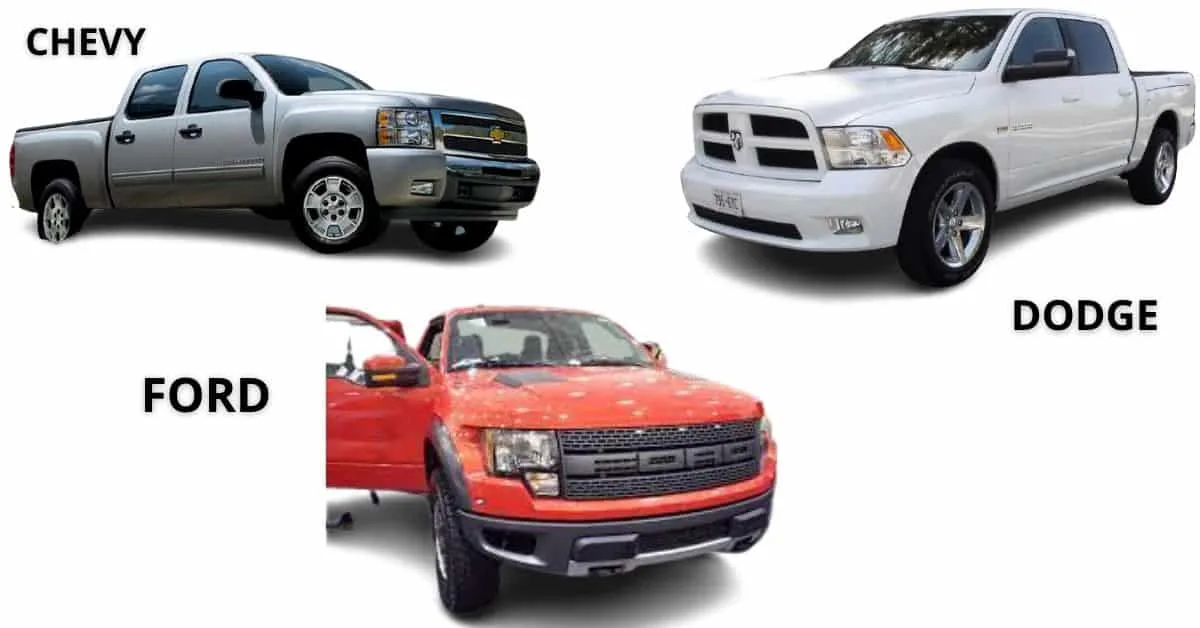
Ford Powerstroke DEF Requirements
Ford's diesel truck lineup has used several different engines with varying emissions technologies.
6.0L Powerstroke (2003-2007) did not require DEF. This engine used EGR for emissions control but predated DEF requirements.
6.4L Powerstroke (2008-2010) did not require DEF. This engine used a diesel particulate filter (DPF) and EGR to meet 2007 emissions standards but was replaced before full 2010 compliance was required.
6.7L Powerstroke (2011-present) requires DEF. This engine, introduced for the 2011 model year, was Ford's first diesel truck engine to incorporate SCR technology. It remains in production with ongoing refinements.
For Ford Super Duty trucks, the key transition year is 2011. Any Ford diesel truck from 2011 or later requires DEF, while 2010 and earlier models do not.
Ford's 6.7L Powerstroke was designed from the ground up for SCR compliance. The system integrates DEF injection, SCR catalyst, DPF, and diesel oxidation catalyst (DOC) into a comprehensive emissions control package.
GM/Chevrolet Duramax DEF Requirements
General Motors' Duramax diesel engines power Chevrolet and GMC trucks with varying DEF requirements across generations.
LB7 Duramax (2001-2004) did not require DEF. This first-generation Duramax predated significant emissions requirements.
LLY Duramax (2004-2006) did not require DEF but introduced EGR for emissions control.
LBZ Duramax (2006-2007) did not require DEF and continued using EGR technology.
LMM Duramax (2007-2010) did not require DEF. This engine added a diesel particulate filter to meet 2007 emissions standards but used EGR rather than SCR for NOx control.
LML Duramax (2011-2016) requires DEF. This was the first Duramax to incorporate SCR technology, representing GM's compliance strategy for 2010 emissions standards.
L5P Duramax (2017-present) requires DEF. This current-generation Duramax continues using SCR technology with ongoing refinements.
For GM diesel trucks, the key transition year is 2011. Duramax-equipped trucks from 2011 forward require DEF, while 2010 and earlier models do not.
GM's implementation of DEF in the LML Duramax was well-received by owners who appreciated the improved fuel economy that SCR technology enabled compared to EGR-only approaches.
Ram/Dodge Cummins DEF Requirements
Ram trucks (formerly Dodge) using Cummins diesel engines have their own DEF requirement timeline.
5.9L Cummins (through 2007) did not require DEF. Various versions of this engine served Ram trucks for decades before significant emissions requirements took effect.
6.7L Cummins (2007-2012 early) varied in DEF requirements. Cummins introduced the 6.7L with the 2007 model year, and early versions used a combination of EGR, DPF, and NOx adsorber technology without DEF.
6.7L Cummins (2013-present) requires DEF. Cummins transitioned to SCR technology during the 2013 model year, making DEF required for these and all subsequent trucks.
For Ram diesel trucks, the situation is slightly more complex than Ford or GM. The key transition year is 2013, when Cummins-equipped Ram trucks began using SCR with DEF. Some 2007-2012 trucks used alternative NOx reduction technology that didn't require DEF.
Cummins developed their own DEF product sold under the Fleetguard brand, though any ISO 22241-compliant DEF works in Cummins-equipped vehicles.
Heavy-Duty and Commercial Trucks
Commercial trucks from various manufacturers have DEF requirements based on engine certification dates.
Class 7-8 trucks from major manufacturers including Freightliner, Peterbilt, Kenworth, Volvo, and Mack began requiring DEF around the 2010 model year as manufacturers adopted SCR for EPA 2010 compliance.
Medium-duty trucks followed similar timelines, with most manufacturers transitioning to SCR around 2010-2011.
Construction and agricultural equipment varies by manufacturer and application but generally followed similar regulatory timelines for engines in those power categories.
For commercial truck buyers, checking the engine certification date and specific emissions technology is important, as variations exist across manufacturers and product lines.
International and European Vehicles
Diesel vehicles from European and Asian manufacturers have their own DEF requirement timelines based on regional regulations.
European trucks and cars have used DEF (called AdBlue in Europe) since Euro IV and Euro V standards took effect in 2005-2008 for commercial vehicles and later for passenger vehicles.
Volkswagen, BMW, Mercedes-Benz, and other European manufacturers introduced DEF-equipped diesel vehicles in the North American market around 2009-2011, depending on the specific model.
Asian manufacturers including Nissan, Isuzu, and others have offered DEF-equipped diesel vehicles in various markets according to local regulatory requirements.
For imported diesel vehicles, check specific model year specifications since requirements vary by market and manufacturer.
DEF System Components and Operation
Understanding how DEF systems function in modern trucks helps owners maintain their vehicles properly.
DEF Tank and Storage
Every DEF-equipped vehicle has a dedicated tank for diesel exhaust fluid storage.
Tank location varies by vehicle but is always separate from the fuel tank. Trucks typically have DEF tanks under the cab or bed, often with a distinctive blue fill cap.
Tank capacity typically ranges from 5-10 gallons for light-duty trucks to much larger capacities for commercial vehicles. Tank size is usually designed to allow DEF refilling at convenient intervals aligned with oil change schedules.
Tank heating is included because DEF freezes at 12°F (-11°C). Electric heaters or engine coolant circulation keeps DEF from freezing during operation, and most systems can operate with frozen DEF that thaws as the system warms.
DEF Delivery System
The delivery system transfers DEF from the tank to the injection point in the exhaust.
DEF pump draws fluid from the tank and pressurizes it for injection. Electric pumps are most common, with pressure requirements varying by system design.
DEF lines carry fluid from tank to injector. These lines typically include heating elements for cold-weather operation.
DEF injector introduces fluid into the exhaust stream with precise metering based on engine control module commands. Injection timing and quantity vary with engine operating conditions.
DEF quality sensor monitors fluid concentration and detects potential contamination. Many systems will alert drivers or restrict operation if DEF quality doesn't meet specifications.
SCR Catalyst and Exhaust Aftertreatment
The SCR catalyst is where the emissions reduction actually occurs.
Catalyst materials typically include vanadium-based or copper/iron zeolite compounds that facilitate the ammonia-NOx reactions.
Catalyst position is downstream of the DPF in most truck applications, receiving exhaust gas that has already been treated for particulate matter.
Catalyst monitoring through NOx sensors upstream and downstream verifies system effectiveness and alerts to potential problems.
Catalyst durability typically exceeds vehicle life when quality DEF is used and the system is properly maintained. Contamination can permanently damage catalysts.
Control System Integration
The engine control module (ECM) orchestrates DEF system operation.
Operating logic adjusts DEF injection based on engine speed, load, exhaust temperature, and measured NOx levels to optimize emissions reduction.
Diagnostic monitoring continuously checks system function and stores fault codes when problems occur.
Driver warnings alert to low DEF levels, quality issues, or system malfunctions through dashboard indicators and messages.
Inducement strategies progressively limit vehicle performance when DEF issues aren't addressed, ultimately preventing engine restart in severe cases.
DEF Consumption and Refilling
Understanding DEF usage helps owners plan for refilling and budget appropriately.
How Much DEF Do Trucks Use?
DEF consumption varies based on vehicle type, engine size, and operating conditions.
Typical consumption rate is 2-3% of diesel fuel consumption. If your truck uses 1,000 gallons of diesel, expect to use roughly 20-30 gallons of DEF.
Real-world examples for a full-size diesel pickup averaging 15 MPG and driving 15,000 miles annually would consume approximately 1,000 gallons of diesel and 20-30 gallons of DEF.
Variation factors include driving style, load, terrain, and ambient temperature. Heavy loads, mountain driving, and aggressive driving typically increase both fuel and DEF consumption proportionally.
Tank range typically allows 5,000-10,000 miles between DEF refills for light-duty trucks, depending on tank size and consumption patterns.
Where to Buy DEF
DEF is widely available through multiple channels.
Truck stops typically offer DEF at the pump alongside diesel fuel. Major chains including Pilot Flying J, Love's, and TA-Petro have extensive DEF availability.
Automotive parts stores including AutoZone, O'Reilly, Advance Auto Parts, and NAPA stock DEF in containers ranging from 2.5 gallons to larger sizes.
General retailers including Walmart, Target, and Costco carry DEF, often at competitive prices.
Vehicle dealers sell DEF, though prices may be higher than other sources.
Online retailers including Amazon offer DEF with delivery convenience.
DEF Quality and Selection
Choosing quality DEF protects your vehicle's emissions system.
ISO 22241 certification should appear on any DEF you purchase. This international standard ensures proper formulation and purity.
API certification in North America provides additional quality assurance through American Petroleum Institute verification.
Brand interchangeability means you can use any ISO-compliant DEF regardless of vehicle manufacturer. Blue DEF, AdBlue, and OEM-branded products are all compatible.
Avoid contaminated or degraded DEF by purchasing from reputable sources, checking expiration dates, and storing DEF properly if you maintain supply on hand.
DEF Storage Considerations
If you store DEF, proper handling maintains quality.
Shelf life of 12-24 months is typical at proper storage temperatures. Higher temperatures significantly reduce shelf life.
Temperature requirements for storage are 32-77°F (0-25°C) ideally. Freezing doesn't permanently damage DEF, but elevated temperatures accelerate degradation.
Container selection should use DEF-compatible materials. Never store DEF in containers that held other fluids, and ensure containers are specifically designed for DEF.
Contamination prevention requires keeping DEF away from other fluids and using dedicated dispensing equipment.
Living with DEF: Owner Considerations
Owning a DEF-equipped truck involves some considerations that differ from older diesel vehicles.
Operating Costs
DEF adds modest cost to diesel truck operation.
DEF cost per gallon typically ranges from $3-6 depending on purchase location and container size. Bulk purchasing reduces per-gallon cost.
Annual DEF cost for typical light-duty truck use might run $60-150 depending on miles driven and consumption rates.
Cost relative to fuel is minimal. DEF cost typically represents less than 5% of fuel costs.
Fuel economy benefits from SCR technology often offset DEF costs through improved fuel efficiency compared to EGR-only emissions strategies.
Maintenance Considerations
DEF systems require attention as part of overall vehicle maintenance.
Regular DEF monitoring ensures adequate supply. Dashboard indicators warn when levels are low, but developing the habit of checking helps avoid unexpected warnings.
Filter replacement may be required at extended intervals for some systems. Check your vehicle's maintenance schedule for specific requirements.
Injector cleaning may be necessary if deposits develop. This is uncommon with quality DEF but can occur with contaminated fluid or system problems.
System inspection during regular service allows mechanics to identify potential issues before they cause problems.
Cold Weather Operation
DEF freezes at 12°F (-11°C), requiring special consideration in cold climates.
Vehicle systems are designed to handle frozen DEF. Heated tanks and lines thaw DEF during operation, and vehicles will operate normally once the system warms up.
Frozen DEF in storage requires proper thawing before use. Never add antifreeze or other additives to prevent freezing.
Extended cold exposure for parked vehicles may require longer warm-up periods for DEF systems to function.
Warning Light Response
Understanding DEF-related warnings helps you respond appropriately.
Low DEF warning typically appears when 10-15% of tank capacity remains. Refill soon to avoid more urgent warnings.
Quality warning indicates DEF that doesn't meet specifications. If you recently added quality DEF, the sensor may have malfunctioned; otherwise, investigate the DEF source.
System malfunction warning requires professional diagnosis. Continuing to drive may be possible but could cause additional problems.
Speed limiting or restart prevention indicates critical DEF issues requiring immediate attention. Refill with quality DEF or seek service.
Buying a Used Diesel Truck: DEF Considerations
If you're shopping for a used diesel truck, DEF requirements should factor into your decision.
Pre-DEF vs DEF-Equipped Trucks
Both categories have distinct characteristics affecting ownership.
Pre-DEF trucks (2010 and earlier for most manufacturers) don't require DEF but may have other emissions equipment (DPF, EGR) requiring attention. They're often simpler but may face future regulatory restrictions in some areas.
DEF-equipped trucks (2011 and later for most manufacturers) require ongoing DEF expense and functioning emissions systems but typically offer better fuel economy and meet current emissions standards.
Evaluating DEF System Condition
When inspecting a used DEF-equipped truck, consider the emissions system condition.
Warning lights active indicate current problems requiring diagnosis before purchase.
Service history should show proper maintenance including DEF-related service if applicable.
DEF tank and system inspection can reveal damage, leaks, or contamination signs.
Professional inspection by a diesel mechanic familiar with the specific vehicle type provides the best assessment of emissions system condition.
Common DEF System Problems
Understanding potential issues helps evaluate used truck condition.
DEF quality sensor failures can trigger warnings even with good DEF. Sensor replacement resolves the issue.
DEF pump failures prevent proper fluid delivery. Symptoms include warnings and eventual performance limiting.
Injector problems affect DEF delivery to the exhaust. Clogging or failure requires component replacement.
Crystallization can occur if DEF evaporates from system components, leaving urea deposits. This often indicates leaks or maintenance issues.
Catalyst degradation from contaminated DEF or system malfunctions can require expensive catalyst replacement.
The Future of DEF and Diesel Emissions
Looking ahead, DEF requirements will continue evolving with emissions regulations.
Current Regulatory Environment
The regulatory framework driving DEF requirements remains in place.
EPA standards for heavy-duty vehicles continue to require NOx reduction levels that make SCR with DEF the dominant compliance approach.
California standards through the California Air Resources Board (CARB) are often more stringent than federal requirements and influence nationwide equipment specifications.
Greenhouse gas regulations addressing CO2 emissions are increasingly combined with criteria pollutant standards, affecting overall diesel vehicle design.
Future Emissions Requirements
Regulations continue to tighten with implications for diesel technology.
Proposed lower NOx limits may require even more effective emissions control, potentially increasing DEF consumption or requiring additional technologies.
Real-world emissions testing increasingly supplements laboratory testing, ensuring vehicles achieve expected emissions reductions in actual use.
Extended useful life requirements may extend the period vehicles must maintain emissions compliance, affecting durability requirements for SCR systems.
Alternative Powertrains
Electric and alternative fuel vehicles are emerging alongside diesel technology.
Battery-electric trucks are entering the market for certain applications, though range and payload limitations currently restrict widespread adoption for heavy-duty use.
Hydrogen fuel cell vehicles offer another zero-emission pathway being explored for commercial trucking.
Continued diesel relevance is expected for applications where battery-electric limitations are significant. Diesel with DEF will remain important for years to come.
DEF Myths and Misconceptions
Clarifying common misunderstandings helps diesel owners make informed decisions.
"DEF Significantly Reduces Performance"
Reality: Properly functioning DEF systems have minimal impact on performance. SCR technology actually allows engines to be tuned for better performance since NOx reduction happens in the aftertreatment system rather than through combustion compromises.
"DEF Is Expensive and Costs Too Much"
Reality: DEF costs are modest relative to fuel costs and often offset by improved fuel economy. Annual DEF expense for typical light-duty truck use might be $100-150, while fuel savings from SCR-enabled engine tuning can exceed this amount.
"DEF Causes Reliability Problems"
Reality: Modern DEF systems are generally reliable when maintained properly. Problems typically stem from improper DEF use, contamination, or neglected maintenance rather than inherent system unreliability.
"I Can Use Water or Other Substitutes for DEF"
Reality: Only proper DEF should be used. Water, windshield washer fluid, or other substitutes will damage the SCR system and trigger warnings or performance limiting. Contamination can require expensive catalyst replacement.
"DEF Requirements Can Be Bypassed"
Reality: Tampering with emissions systems violates federal law under the Clean Air Act. Penalties can be severe, and modifications may void warranties and create inspection failures.
Frequently Asked Questions About DEF Requirements
Addressing common questions helps clarify DEF requirements and usage.
What happens if I run out of DEF?
Most vehicles provide progressive warnings as DEF depletes. If you completely run out, the vehicle will typically limit speed or power, and may prevent engine restart after shutdown. Always refill when warnings appear.
Can I use DEF from any brand in my truck?
Yes, any DEF meeting ISO 22241 standards works in any DEF-equipped vehicle regardless of brand. Blue DEF, AdBlue, and OEM-branded products are interchangeable.
How do I know if my truck requires DEF?
Check your owner's manual or look for a blue DEF filler cap separate from the fuel filler. Any diesel truck from 2011 or later (2013 for Ram/Cummins) requires DEF.
Does DEF go bad?
DEF has a limited shelf life of 12-24 months depending on storage conditions. High temperatures accelerate degradation. Check expiration dates and store properly.
Can DEF freeze?
Yes, DEF freezes at 12°F (-11°C). Vehicle systems are designed to handle frozen DEF through heated tanks and lines. Don't add anything to DEF to prevent freezing.
How often do I need to add DEF?
Typical consumption allows 5,000-10,000 miles between refills for light-duty trucks. Dashboard indicators warn when levels are low.
Does DEF damage anything if spilled?
DEF is non-toxic and non-hazardous but can leave white residue when dry and may affect certain paint finishes. Clean spills promptly with water.
Is it legal to remove DEF systems?
No. Removing, tampering with, or defeating emissions control systems violates the Clean Air Act and can result in significant penalties.
Quick Reference: DEF Requirements by Model Year
For convenient reference, here's a summary of when major truck manufacturers began requiring DEF:
Ford Powerstroke
- 2010 and earlier: No DEF required
- 2011 and later (6.7L): DEF required
GM/Chevrolet Duramax
- 2010 and earlier: No DEF required
- 2011 and later (LML, L5P): DEF required
Ram/Dodge Cummins
- 2012 and earlier: No DEF required (most models)
- 2013 and later: DEF required
Most Other Diesel Trucks
- 2010 and later: DEF likely required (verify specific model)
Conclusion
Diesel exhaust fluid requirements have become standard for trucks since 2010 EPA emissions regulations took effect. Understanding when your truck requires DEF, how the system works, and proper maintenance practices ensures reliable operation and regulatory compliance.
For most truck manufacturers, 2011 marks the transition year when DEF became required. Ford and GM introduced DEF-equipped diesels for 2011, while Ram/Cummins followed in 2013. Any diesel truck from these years forward requires DEF as part of its Selective Catalytic Reduction emissions system.
The technology behind DEF requirements represents a significant environmental achievement, reducing harmful nitrogen oxide emissions by 90% or more compared to earlier diesel engines. This reduction comes with minimal impact on performance and modest ongoing costs that are often offset by improved fuel economy.
As a diesel truck owner, proper DEF usage involves maintaining adequate fluid supply, using quality ISO 22241-certified DEF, and responding promptly to system warnings. These simple practices keep your emissions system functioning properly and your truck operating at its best.
Whether you're buying a new diesel truck, shopping for a used vehicle, or maintaining your current DEF-equipped diesel, understanding these requirements helps you make informed decisions and maintain your investment properly. DEF has become a normal part of diesel ownership, and with proper attention, it's a manageable aspect of operating a modern diesel vehicle.
Detailed History of Diesel Emissions Regulations
Understanding the complete regulatory history provides context for current DEF requirements and helps anticipate future developments.
Early Diesel Regulations (1970s-1990s)
Diesel emissions regulation began with the Clean Air Act but evolved gradually over decades.
The Clean Air Act of 1970 established EPA authority to regulate motor vehicle emissions but initially focused primarily on gasoline vehicles. Diesel trucks received less regulatory attention in these early years.
California leadership emerged as that state implemented more stringent standards than federal requirements. California's Air Resources Board (CARB) frequently led national regulatory trends, with federal standards eventually following California's lead.
Heavy-duty vehicle regulations developed separately from passenger car standards, recognizing the different duty cycles, technologies, and economic factors affecting commercial vehicles.
Particulate matter focus dominated early diesel regulations. The visible smoke from diesel exhaust made particulate matter an obvious target, while NOx received less attention initially.
Tier 1 and Tier 2 Standards (1994-2009)
The EPA's tiered approach progressively tightened diesel emissions limits.
Tier 1 standards (1994-1998) established initial federal emissions limits for heavy-duty diesel engines. These standards required modest reductions from uncontrolled emissions levels but were achievable through engine modifications without aftertreatment.
Tier 2 standards (2004-2009) required more significant reductions, particularly for particulate matter. Meeting these standards typically required diesel particulate filters (DPF) and improved fuel injection systems.
Ultra-low sulfur diesel fuel mandated beginning in 2006 enabled advanced emissions technologies. The reduction from 500 ppm to 15 ppm sulfur content allowed use of aftertreatment systems that would be poisoned by higher sulfur levels.
Technology development during this period included improved EGR systems, variable geometry turbochargers, and diesel particulate filters. These technologies addressed particulate matter and some NOx reduction but couldn't achieve the very low NOx levels required by upcoming 2010 standards.
The 2010 Standards and Beyond
The 2010 EPA standards represent the regulatory milestone that made DEF universal for heavy-duty diesel.
NOx limits of 0.20 g/bhp-hr represented approximately 90% reduction from 2004 levels. This stringent limit effectively required aftertreatment solutions beyond engine modifications alone.
SCR adoption became nearly universal as manufacturers determined it provided the best combination of emissions reduction and fuel efficiency for meeting 2010 standards.
Greenhouse gas regulations added CO2 limits to criteria pollutant standards beginning in 2014 for heavy-duty vehicles. These regulations continue to evolve, adding complexity to emissions compliance.
California's ongoing leadership continues with proposed regulations that may require even lower NOx limits in coming years. California's standards often preview future federal requirements.
Global Regulatory Context
U.S. regulations exist within a global framework of diesel emissions requirements.
European regulations through Euro standards have followed a similar trajectory. Euro VI standards, effective from 2013, are broadly comparable to U.S. 2010 standards for NOx limits.
Asian regulations vary by country but generally trend toward harmonization with U.S. or European standards. Japan, Korea, and China have all implemented significant diesel emissions requirements.
International harmonization efforts work to align testing procedures and standards across jurisdictions, reducing complexity for global manufacturers.
Complete DEF System Technical Guide
Understanding DEF system operation in greater detail helps owners maintain their vehicles effectively and troubleshoot problems.
DEF Fluid Dynamics
The physical properties of DEF affect system design and operation.
Viscosity characteristics of DEF are similar to water, making it easy to pump and inject. Temperature affects viscosity, with cold DEF being somewhat more viscous.
Freezing behavior at 12°F (-11°C) requires system design accommodations. DEF expands approximately 7% when frozen, which must be considered in tank and line design.
Density of approximately 1.09 g/mL allows level sensors to use float mechanisms similar to fuel gauges.
Surface tension properties affect spray characteristics at the injector. Proper atomization is important for efficient mixing with exhaust gas.
Injection System Design
The DEF injection system requires precision engineering for proper operation.
Injection pressure varies by system design but is typically moderate compared to fuel injection systems. Pressures range from 50-100 psi in many systems.
Atomization requirements ensure DEF mixes thoroughly with exhaust gas before reaching the catalyst. Poor atomization can cause incomplete mixing and reduced efficiency.
Injection timing is controlled by the engine management system based on exhaust flow, temperature, and NOx sensor readings. The system adjusts continuously to optimize emissions reduction.
Injector cooling may be required to prevent DEF from decomposing in the injector tip from exhaust heat. Some systems use DEF flow for cooling, while others use separate cooling provisions.
Catalyst Chemistry Details
The SCR catalyst enables the chemical reactions that reduce NOx.
Catalyst types include vanadium-based and zeolite-based formulations. Vanadium catalysts work well at lower temperatures while zeolite types (copper or iron) offer broader temperature ranges and better durability in some applications.
Operating temperature range affects catalyst efficiency. Most SCR catalysts require minimum temperatures of 200-250°C for effective operation. Cold starts and light-load operation may produce temporarily reduced efficiency.
Ammonia storage on the catalyst surface provides the reducing agent for NOx conversion. The catalyst's ability to store ammonia allows continued NOx reduction even during transient conditions when DEF injection varies.
Selectivity refers to the catalyst's ability to preferentially react ammonia with NOx rather than oxidizing it to additional NOx. High selectivity is essential for efficient emissions reduction.
Sensor Systems and Monitoring
Modern DEF systems incorporate extensive monitoring for proper operation.
NOx sensors upstream and downstream of the SCR catalyst measure actual emissions and verify system effectiveness. Comparison of sensor readings confirms proper NOx reduction.
Temperature sensors throughout the exhaust system monitor conditions for optimal DEF injection and catalyst operation.
DEF level sensors in the tank monitor fluid quantity and trigger warnings when levels drop.
DEF quality sensors measure fluid concentration and detect potential contamination. These sensors typically use electrical conductivity or optical methods.
Pressure sensors monitor the DEF delivery system for proper operation and detect potential clogs or leaks.
Regional DEF Considerations
DEF requirements and availability vary somewhat by region, affecting owners in different areas.
DEF in Cold Climate Regions
Northern regions present specific challenges for DEF usage.
Extended cold periods mean DEF may remain frozen for extended periods in parked vehicles. While this doesn't damage DEF, it affects system operation until thawing occurs.
Heated parking can help maintain DEF in liquid state during cold weather.
DEF storage in unheated buildings may result in frozen containers requiring thawing before use.
Extended warm-up periods may be needed for DEF systems to become operational in very cold conditions.
DEF in Hot Climate Regions
High temperatures create different concerns.
Accelerated DEF degradation occurs at elevated temperatures, reducing shelf life of stored DEF.
Vehicle DEF tank temperatures can rise during hot weather, particularly when vehicles sit in direct sunlight. Tank insulation helps moderate temperatures.
Purchase frequency may need to increase in hot climates to ensure fresh DEF supply.
Rural and Remote Area Considerations
DEF availability varies by location.
Urban and highway areas have extensive DEF availability at truck stops and retailers.
Rural areas may have limited retail DEF options, making planning important for remote operations.
On-site storage becomes more valuable for operations in areas with limited retail availability.
Vehicle tank sizing matters more when DEF isn't readily available, favoring larger tanks for remote operations.
DEF and Fleet Management
Fleet operators face specific considerations for DEF management across multiple vehicles.
Fleet DEF Consumption Planning
Managing DEF across a fleet requires systematic planning.
Consumption tracking by vehicle helps identify abnormal usage that might indicate system problems.
Bulk purchasing provides cost savings for fleets with significant aggregate consumption.
Centralized dispensing at fleet facilities ensures vehicles receive quality DEF with consistent handling.
Inventory management balances adequate supply against shelf life considerations.
Fleet Maintenance Programs
DEF system maintenance fits within broader fleet maintenance strategies.
Preventive maintenance schedules should include DEF system inspections as appropriate for specific vehicles.
Driver training ensures operators understand DEF requirements and warning indicators.
Parts inventory for DEF system components minimizes downtime when repairs are needed.
Diagnostic capabilities help fleet maintenance departments efficiently troubleshoot DEF system issues.
Fleet Cost Management
Understanding DEF costs helps with fleet budgeting.
Per-mile DEF cost can be calculated and tracked alongside fuel costs.
Bulk pricing negotiations with DEF suppliers can reduce costs for large fleets.
Equipment investment in bulk storage and dispensing may be justified for larger operations.
Total cost of ownership calculations should include DEF as an operating expense for diesel vehicles.
Comparing DEF-Equipped vs Non-DEF Trucks
For those evaluating older versus newer diesel trucks, understanding the differences helps inform decisions.
Advantages of DEF-Equipped Trucks
Modern trucks with SCR and DEF offer several benefits.
Better fuel economy often results from SCR-enabled engine tuning optimized for efficiency rather than emissions.
Cleaner operation with dramatically lower NOx and particulate emissions benefits air quality.
Regulatory compliance ensures operation in all areas without restrictions.
Resale value may be better preserved as regulations tighten and older trucks face restrictions.
Technology refinement in newer trucks includes more mature and reliable emissions systems.
Advantages of Pre-DEF Trucks
Older trucks also have their merits.
Simpler systems without DEF reduce one maintenance consideration.
No DEF expense eliminates this ongoing cost, though fuel economy differences may offset savings.
Proven reliability for well-maintained examples with known service history.
Lower purchase prices for used pre-DEF trucks may appeal to budget-conscious buyers.
Familiarity for owners accustomed to older technology who prefer what they know.
Decision Factors
Choosing between DEF and non-DEF trucks involves multiple considerations.
Intended use affects which factors matter most. Commercial operations may favor newer trucks for reliability, while occasional-use vehicles may not justify the premium.
Operating region matters if local regulations restrict older vehicles.
Maintenance capabilities influence whether DEF system complexity is manageable.
Fuel consumption patterns determine whether fuel economy differences significantly affect operating costs.
Environmental priorities may favor cleaner-running DEF-equipped trucks regardless of cost considerations.
DEF Product Guide
Choosing and handling DEF products properly ensures quality and vehicle protection.
Understanding DEF Brands
Multiple brands compete in the DEF market.
Blue DEF from Peak/Old World Industries is among the most widely distributed brands in North America.
AdBlue is the predominant brand in Europe and is available in North America as well.
OEM brands from Cummins (Fleetguard), Ford, GM, and others are available through dealer networks.
Private label products from retailers like Walmart, Costco, and truck stops offer additional options.
All ISO 22241-certified products perform identically regardless of brand. Selection should be based on convenience, availability, and price.
DEF Container Options
DEF packaging varies to suit different needs.
2.5-gallon jugs are the most common retail packaging for individual vehicle owners.
Larger containers up to 5 gallons suit owners with higher consumption or who prefer less frequent purchases.
55-gallon drums serve higher-volume users and commercial operations.
275-330 gallon totes provide bulk quantities for fleet operations.
Bulk delivery serves the highest-volume operations with tank storage.
Evaluating DEF Quality
Ensuring DEF quality protects your vehicle.
Check certifications including ISO 22241 and API (in North America) on packaging.
Verify expiration dates before purchase and use.
Inspect packaging for damage that might indicate contamination.
Purchase from reputable retailers with proper storage and handling.
Observe DEF appearance before use. Quality DEF is clear and colorless.
Troubleshooting DEF System Problems
When issues arise, systematic troubleshooting helps identify solutions.
Warning Light Diagnosis
Understanding different warnings helps prioritize response.
Low DEF level warnings simply require refilling with quality DEF.
DEF quality warnings may indicate contaminated DEF, expired DEF, or sensor problems.
System malfunction warnings require diagnostic investigation to identify specific component failures.
Speed limiting or restart prevention indicates critical issues requiring immediate attention.
Common Problem Resolution
Many DEF issues have straightforward solutions.
Low-quality DEF concerns can be resolved by draining questionable DEF and refilling with quality product.
Crystallization issues may respond to professional cleaning or component replacement.
Sensor failures typically require sensor replacement after diagnostic confirmation.
Injector problems may require cleaning, repair, or replacement depending on severity.
When to Seek Professional Help
Some issues require professional diagnosis and repair.
Persistent warnings after basic troubleshooting warrant professional diagnosis.
Fault codes stored in the vehicle computer require scanning and interpretation.
Component failures typically require professional replacement.
Contamination events may need professional system flushing.
Additional Resources
For more information about DEF requirements and diesel emissions technology:
The Environmental Protection Agency provides comprehensive information about emissions regulations affecting diesel vehicles.
The Diesel Technology Forum offers educational resources about clean diesel technology including SCR and DEF systems.
Your vehicle manufacturer's website and owner's manual provide specific guidance for your particular vehicle's DEF system requirements and maintenance.
Complete DEF Usage and Maintenance Guide
Proper DEF usage ensures your vehicle's emissions system functions correctly throughout its service life.
Daily Operation Considerations
DEF-equipped vehicles require minimal day-to-day attention from owners.
Normal operation requires no special action regarding DEF. The system operates automatically, injecting DEF as needed based on engine operating conditions.
Monitoring the DEF gauge periodically helps avoid running low. Most drivers develop a habit of checking during regular fuel stops.
Dashboard indicators provide advance warning of low DEF levels. Responding promptly to initial warnings prevents more urgent warnings and potential performance limitations.
Cold weather startup may show brief DEF system warnings as the system warms up and thaws frozen DEF. These typically resolve as operating temperature is reached.
Refilling Procedures
Proper refilling technique maintains DEF quality.
Locate the DEF filler which is separate from the fuel filler and typically has a blue cap for easy identification. On trucks, it's often located near the fuel filler or under the hood.
Clean the filler area before opening to prevent debris from entering the tank.
Pour DEF carefully to avoid spillage. While DEF isn't hazardous, it can leave residue and may affect some paint finishes.
Don't overfill the tank. Leave space for expansion, particularly in warm weather.
Clean any spills promptly with water. DEF residue becomes crystalline when dry.
Secure the cap after filling to prevent contamination.
Seasonal Maintenance Considerations
Different seasons present varying DEF considerations.
Winter preparation doesn't require special DEF treatment. The fluid will freeze but vehicle heating systems handle this automatically.
Spring thaw after winter storage may require checking DEF tank and system for proper function.
Summer heat accelerates DEF degradation. Avoid storing large quantities in hot environments.
Fall preparation for winter is a good time to verify DEF system function before cold weather.
Long-Term Vehicle Storage
Storing DEF-equipped vehicles for extended periods requires some consideration.
DEF shelf life means fluid in the tank may degrade during extended storage. If storing for more than a few months, consider the condition of DEF in the tank.
System preservation doesn't require special treatment for most storage periods. DEF in the tank and lines is stable for typical storage durations.
Pre-storage inspection ensures the DEF system is functioning properly before the vehicle sits unused.
Return-to-service checks after extended storage should verify DEF system operation before relying on the vehicle.
Understanding DEF Warning System Stages
Modern trucks use a progressive warning system that increases urgency as DEF issues persist.
Initial Warning Stage
The first stage alerts drivers to developing issues.
Low DEF warnings typically appear when 10-15% of tank capacity remains. Dashboard indicators and often audible alerts notify the driver.
Time and distance remaining may be displayed on some vehicles, helping drivers plan their next refill.
Normal vehicle operation continues during this stage with no performance restrictions.
Driver action required is simply to refill with quality DEF at the next convenient opportunity.
Intermediate Warning Stage
If initial warnings aren't addressed, more urgent warnings follow.
Increased warning frequency and urgency catches driver attention through more prominent displays or repeated alerts.
Countdown warnings may appear showing miles remaining before more severe measures take effect.
Normal operation continues during this stage, but driver attention is clearly needed.
Refilling resolution returns the system to normal status when quality DEF is added.
Critical Warning Stage
Ignoring intermediate warnings leads to performance restrictions.
Speed limiting typically activates when DEF reaches critically low levels or when quality issues persist. Maximum speed may be limited to 55 mph or less.
Reduced power may accompany speed limiting, affecting acceleration and hill-climbing ability.
Urgent warnings make clear that immediate action is required.
Limited operation allows getting to a safe location for refilling but makes extended driving impractical.
Final Stage
The most severe measures prevent vehicle operation.
Engine restart prevention may occur if the engine is shut off when DEF is depleted or critical system faults exist.
Immediate attention required before the vehicle can be operated normally.
Refilling and possible reset may be needed to restore operation. Some vehicles automatically reset when quality DEF is added; others may require dealer service.
Manufacturer-Specific DEF System Details
Each major manufacturer implements DEF systems with some unique characteristics.
Ford 6.7L Powerstroke DEF System
Ford's DEF implementation has specific characteristics.
DEF tank location is typically on the frame rail opposite the fuel tank.
Tank capacity of approximately 5 gallons provides range of 5,000+ miles between refills under normal conditions.
Warning system provides progressive alerts through the instrument cluster with specific messages about DEF level and system status.
Regeneration interaction coordinates with DPF regeneration for comprehensive emissions control.
System integration with Ford's SYNC and information display systems provides detailed DEF information.
GM Duramax DEF System
General Motors' implementation serves Chevrolet and GMC trucks.
DEF tank location varies by cab configuration but is typically accessible near the fuel filler.
Tank capacity of approximately 5-7 gallons depending on model provides substantial range between refills.
Driver Information Center displays DEF level, warnings, and remaining range until refill is required.
Cold weather provisions include heated DEF tank and lines for reliable operation in freezing conditions.
System monitoring through OnStar-connected services can provide DEF status remotely on equipped vehicles.
Ram Cummins DEF System
Ram trucks with Cummins engines have their own system characteristics.
DEF tank location is typically behind the rear axle or along the frame rail depending on cab configuration.
Tank capacity varies by model year and configuration, typically 5-8 gallons.
Uconnect integration provides DEF information through the infotainment display on equipped models.
Cummins engineering influence means the DEF system reflects Cummins' extensive experience with SCR technology.
Progressive warning system follows EPA-mandated inducement strategies with manufacturer-specific displays.
Commercial Vehicle DEF Requirements
Commercial trucks and equipment have DEF requirements with some differences from light-duty vehicles.
Class 7-8 Truck Requirements
Heavy commercial trucks have used DEF since 2010.
Engine manufacturers including Cummins, Detroit Diesel, PACCAR, Volvo, and Navistar all offer SCR-equipped engines requiring DEF.
Higher DEF consumption from larger engines means more frequent attention to DEF levels.
Larger DEF tanks accommodate commercial operating patterns with less frequent refilling opportunities.
Pump island dispensing at truck stops allows convenient refilling during fuel stops.
Fleet management considerations include DEF cost tracking and consumption monitoring across vehicle fleets.
Medium-Duty Truck Requirements
Medium-duty commercial vehicles follow similar patterns.
Engine options typically include SCR-equipped diesels requiring DEF for post-2010 vehicles.
DEF tank sizing balances capacity against weight and space constraints.
Operating patterns vary widely, from local delivery to regional hauling, affecting DEF consumption and refilling patterns.
Vocational and Specialty Equipment
Specialized applications have their own considerations.
Fire apparatus, ambulances, and emergency vehicles have DEF requirements balanced against operational priorities.
Construction equipment increasingly requires DEF as emissions regulations extend to off-highway applications.
Agricultural equipment from major manufacturers requires DEF in newer diesel-powered tractors and combines.
Marine applications are adopting SCR technology for larger vessels as maritime emissions regulations tighten.
Economic Analysis of DEF Ownership Costs
Understanding the complete cost picture helps evaluate DEF requirements.
Direct DEF Costs
The fluid itself represents a modest ongoing expense.
Per-gallon pricing typically ranges from $3-6 depending on purchase location, container size, and market conditions.
Annual consumption for a light-duty diesel truck driven 15,000 miles might be 20-40 gallons, costing $60-240 per year.
Cost per mile works out to roughly $0.004-0.016 per mile for DEF alone.
Comparison to fuel costs shows DEF represents a small fraction of total fuel-related expenses, typically less than 5%.
Indirect Costs and Benefits
Complete economic analysis includes factors beyond DEF purchase cost.
Fuel economy benefits from SCR technology often offset DEF costs through improved mileage. Many owners report better fuel economy than pre-SCR diesels of similar capability.
Maintenance costs for DEF systems are generally modest when proper DEF is used. Major repairs are uncommon with quality fluid and proper maintenance.
Resale value may benefit from maintained emissions system functionality, particularly as regulations continue to tighten.
Opportunity costs from potential performance limiting if DEF issues occur should motivate proper system maintenance.
Total Cost of Ownership Comparison
Evaluating DEF-equipped versus older vehicles requires comprehensive analysis.
Operating cost comparison between DEF-equipped and pre-DEF trucks should include fuel economy differences, DEF expense, and potential maintenance cost differences.
Reliability factors for well-maintained vehicles of either type can be comparable, though newer vehicles benefit from more refined technology.
Regulatory compliance costs may favor DEF-equipped vehicles if older vehicles face restrictions in certain areas.
Conclusion: Embracing DEF as Part of Modern Diesel Ownership
Diesel exhaust fluid requirements represent a significant change in diesel vehicle ownership that has become standard practice since 2010. While some long-time diesel enthusiasts initially resisted the added complexity and expense, most have come to accept DEF as a manageable aspect of owning a modern diesel truck.
The regulatory framework driving DEF requirements isn't likely to relax. If anything, emissions standards will continue to tighten, making current SCR technology with DEF the baseline for diesel vehicles for the foreseeable future. Understanding these requirements helps owners make informed decisions about vehicle purchases and maintenance.
For most truck manufacturers, the 2011 model year marks the transition to DEF requirements, with Ford and GM implementing SCR technology that year and Ram/Cummins following in 2013. Any diesel truck purchased new from these years forward will require DEF as a normal part of ownership.
The practical impact of DEF requirements on daily ownership is modest. Refilling a few times per year at costs well under $200 annually represents a minor expense relative to other diesel ownership costs. The systems have proven reliable when maintained properly, and DEF is widely available through multiple retail channels.
For those considering a diesel truck purchase, DEF requirements shouldn't be a deterrent. The technology has matured, systems are reliable, and the environmental benefits are real. Modern diesel trucks deliver excellent performance and fuel efficiency while meeting strict emissions standards, thanks in large part to DEF and SCR technology.
Whether you're already driving a DEF-equipped diesel, shopping for your first one, or simply curious about what diesel ownership entails, understanding DEF requirements helps you make informed decisions. The fluid that once seemed like a strange new requirement has become just another routine aspect of maintaining a modern diesel vehicle.
