Table of Contents
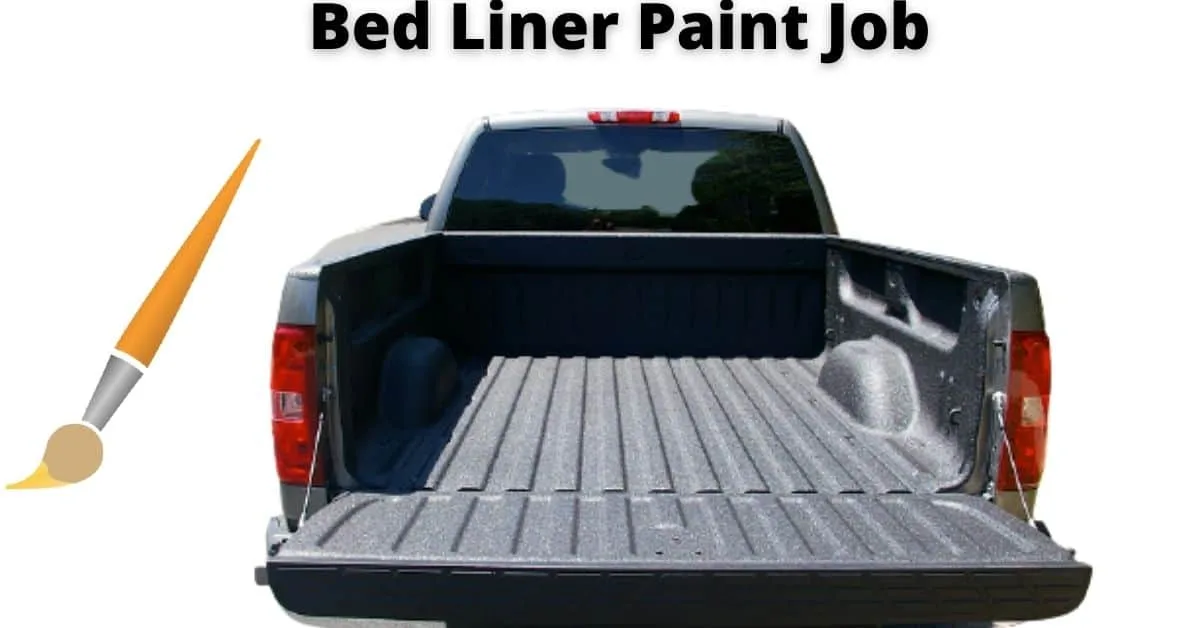
The pickup truck bed represents one of the most heavily abused vehicle surfaces, subjected to constant loading and unloading of cargo ranging from landscaping materials and construction supplies to recreational equipment and household goods, with the resulting scratches, dents, and corrosion threatening both aesthetic appearance and structural integrity. Protecting truck beds from this inevitable wear has driven development of numerous bed protection solutions over the decades, from traditional rubber mats and plastic drop-in liners through modern spray-in polyurethane coatings and the increasingly popular bed liner paint jobs that apply textured, durable coatings transforming truck beds into rugged, protected surfaces.
Bed liner paint jobs—applying specialized textured coatings like Raptor, Monstaliner, Al's Liner, or Herculiner to truck beds (and sometimes entire vehicles) using spray equipment or roller application—have gained substantial popularity among truck enthusiasts and working truck owners seeking affordable, customizable bed protection. These coatings promise exceptional durability rivaling or exceeding expensive spray-in liners, complete customization through color tinting enabling coordination with vehicle paint, DIY application capability saving substantial labor costs, and versatility enabling application to any vehicle surface beyond just truck beds.
However, bed liner paint jobs present challenges and limitations that temper enthusiasm, including demanding application procedures requiring careful surface preparation and technique, potential health hazards from isocyanate-containing formulations requiring respiratory protection, visual texture differing dramatically from smooth automotive finishes (appealing to some, objectionable to others), and varied results depending on application skill, product selection, and surface preparation quality. Understanding the complete picture—both advantages and limitations—enables informed decisions about whether bed liner paint represents appropriate protection for specific applications and whether DIY application or professional service provides better outcomes.
This comprehensive guide examines bed liner paint technology and available product options, analyzes the genuine advantages including cost savings and customization, evaluates the real disadvantages and application challenges, provides detailed step-by-step DIY application procedures for both spray and roller methods, compares bed liner paint to alternative protection options, establishes realistic cost expectations for DIY versus professional application, and offers maintenance guidance maximizing coating longevity and performance.
Understanding Bed Liner Paint Technology
Before evaluating pros and cons, understanding what bed liner paints are and how they differ from traditional coatings provides essential context.
Polyurethane vs. Polyurea Chemistry
Most bed liner paints use two-component polyurethane or polyurea chemistry requiring mixing of resin and hardener/catalyst immediately before application, with chemical curing reactions creating tough, flexible, textured coatings after application.
Two-part polyurethane coatings (the most common bed liner paint type) consist of:
Part A (resin): Contains polyol resins providing the coating's base structure, pigments for color, and various additives including UV stabilizers (preventing fading and degradation from sunlight), anti-settling agents (keeping pigments suspended), and texture additives (creating the characteristic rough surface).
Part B (hardener/catalyst): Contains isocyanate compounds that react with polyols in Part A, creating chemical crosslinks transforming the liquid coating into a solid, durable film. The isocyanate chemistry provides excellent adhesion, chemical resistance, and flexibility while creating potential health hazards requiring protective equipment during application.
The chemical reaction (polymerization) begins immediately when Parts A and B are mixed, with pot life (usable time after mixing) typically ranging from 30-90 minutes depending on formulation and temperature. Once mixed, the coating must be applied before it becomes too viscous for proper spraying or rolling.
Cure time varies by product, temperature, and humidity, with coatings typically reaching handling strength in 4-8 hours but requiring 24-72 hours for full cure achieving maximum hardness, chemical resistance, and durability. Curing continues for weeks after initial application as crosslinking reactions progress to completion.
Polyurea coatings (used in some premium bed liner products) use similar two-part chemistry but substitute polyurea chemistry for polyurethane, offering extremely rapid cure times (often less than 30 seconds), exceptional flexibility and impact resistance, and broad temperature performance. However, polyurea's rapid cure makes it challenging for DIY application, generally requiring professional spray equipment and technique.
Texture Creation and Surface Characteristics
The characteristic texture of bed liner coatings serves both functional and aesthetic purposes:
Functionally, texture provides slip resistance preventing cargo from sliding during acceleration, braking, and cornering, sound deadening reducing noise transmission through sheet metal, and impact resistance through the coating's thickness and flexibility absorbing impacts that might dent uncoated surfaces.
Aesthetically, texture creates distinctive appearance differentiating bed liner coatings from smooth automotive finishes, with texture varying from fine orange-peel (subtle texture barely visible from several feet away) to coarse aggregate (pronounced texture clearly visible and tactile).
Texture control during application depends on several factors:
Spray pressure and distance: Higher pressure and closer spray distance create finer texture, while lower pressure and greater distance create coarser texture. Most manufacturers recommend specific pressure ranges (40-60 psi typical) and distances (12-18 inches) for optimal results.
Thinning: Some products allow thinning with proprietary solvents, with increased thinning generally creating finer texture through reduced material viscosity enabling better atomization.
Multiple coat build: Applying multiple thin coats creates smoother overall appearance than single heavy coats, with each coat flowing somewhat into the previous coat's texture.
Roller application: Creates distinctly different texture than spraying, typically coarser and more directional following roller direction, with texture varying by roller nap length (1/4" for finer texture, 3/8"-1/2" for coarser texture).
Available Product Options
The bed liner paint market includes numerous products with varying characteristics, price points, and application requirements:
U-POL Raptor (approximately $120-140 per kit covering 80-125 square feet): Available in black or tintable (accepting automotive paint for custom colors), includes spray gun with some kits, uses two-part polyurethane chemistry, and provides good balance of durability, ease of application, and cost. Raptor is among the most popular DIY bed liner paints given reasonable cost and well-documented results.
Monstaliner (approximately $150-200 per gallon covering 60-80 square feet): Available in numerous standard colors plus tintable, designed specifically for roller application (though can be thinned for spraying), uses two-part polyurethane chemistry with long pot life (several hours) enabling leisurely application, and produces slightly softer finish than some competitors (some consider this advantage providing better feel, others consider it disadvantage reducing abrasion resistance).
Herculiner (approximately $80-120 per kit covering 8-14 square feet for truck bed kit): Lower-cost option available at auto parts stores, designed for roller application, smaller kit sizes requiring multiple kits for full truck beds, and generally regarded as less durable than premium alternatives though adequate for budget-conscious applications.
Al's Liner (approximately $200-300 per gallon covering 50-70 square feet): Professional-grade product used by spray-in liner shops, available for DIY purchase, produces extremely durable coating rivaling or exceeding any competitor, requires careful application given rapid tack-up time, and commands premium pricing reflecting professional formulation.
Line-X DIY products (approximately $150-250 depending on kit): From the company famous for professional spray-in liners, offers consumer-grade products for DIY application, provides brand recognition and quality assurance from established liner company, though still requires proper application technique for optimal results.
The Genuine Advantages of Bed Liner Paint Jobs
Understanding real benefits enables accurate evaluation against disadvantages and alternatives.
Cost Savings: The Primary Advantage
The cost comparison between bed liner paint and professional spray-in liners demonstrates substantial savings:
Professional spray-in liners from Line-X, Rhino Linings, or similar shops typically cost $450-650 for standard truck bed coverage (6.5-8 foot beds), $550-750 for larger beds, and $800-1,200+ for premium formulations (UV stable colors, thicker application, or extended coverage including bed rails and tailgate exteriors).
DIY bed liner paint material costs range $120-200 typically for standard truck bed coverage (using products like Raptor or Monstaliner), with additional costs for spray equipment ($20-50 if not included), masking materials ($10-20), surface preparation supplies ($20-40 for sandpaper, cleaning solvents), and safety equipment ($30-60 for quality respirator).
Total DIY cost of $200-400 represents 40-70% savings compared to professional spray-in liners—substantial savings motivating many truck owners toward DIY application despite the labor and skill requirements involved.
The labor investment required for DIY application is significant—typically 8-16 hours spread across a weekend including surface preparation, masking, spraying/rolling, and cleanup. However, for truck owners comfortable with automotive projects and having appropriate workspace, the labor represents sweat equity rather than cash expense.
Material cost per square foot comparison:
- Professional spray-in liner: $6-10 per square foot
- DIY bed liner paint: $2-4 per square foot
- Professional bed liner paint application: $4-7 per square foot (some shops offer bed liner paint application as alternative to spray-in liners)
Complete Color Customization
Tintable bed liner paints accept automotive paint colorant enabling matching or coordinating with vehicle exterior color, creating custom color schemes, or selecting colors for functional purposes (white for heat reflection, high-visibility colors for commercial applications).
The customization capability exceeds traditional black spray-in liners or limited standard colors offered by liner shops. Truck owners can achieve exact color matches to vehicle paint (useful when coating entire vehicles or visible exterior surfaces), complementary color combinations (coordinating with two-tone paint schemes or accent colors), or unique colors making vehicles distinctive (bright blues, reds, oranges popular in recreational and off-road applications).
Color mixing requires purchasing automotive paint from paint supply stores in quantities matching bed liner manufacturer recommendations (typically 1-2 quarts per kit), with paint mixed into Part A before adding Part B hardener. Most bed liner manufacturers provide mixing ratio instructions and color intensity guidance.
Color stability varies by product and UV stabilizer quality, with premium products maintaining color for years while budget formulations may fade noticeably within 1-2 years particularly in intense sun exposure. UV-stable formulations command premium pricing ($20-40 additional per kit typically) but provide vastly superior color retention.
Exceptional Durability and Protection
Quality bed liner paints provide genuine protection approaching or rivaling professional spray-in liners when properly applied:
Abrasion resistance from hard polyurethane chemistry and texture protects against scratches from cargo loading, prevents wear from repeated tool box or tie-down contact, and maintains appearance despite regular use. Properly applied bed liner coatings show minimal wear even after years of regular cargo hauling.
Impact resistance from coating flexibility and thickness (typically 20-40 mils – 0.020-0.040 inches – with multiple coats) absorbs impacts that would dent bare metal, protecting bed sheet metal from damage during cargo loading, preventing dents from dropped tools or equipment, and cushioning impacts from recreational equipment (dirt bikes, ATVs, construction materials).
Chemical resistance from polyurethane's inherent chemical stability resists gasoline, diesel fuel, and oil exposure (important for pickup trucks carrying fuel cans or experiencing spills), withstands hydraulic fluid, transmission fluid, and other automotive chemicals, and resists common household chemicals including cleaners and solvents.
Weather resistance including UV stability (on quality formulations) preventing fading and chalking, water impermeability protecting substrate from moisture intrusion and rust, and temperature tolerance maintaining flexibility and adhesion through seasonal temperature extremes (-40°F to 180°F+ typical).
Corrosion prevention represents a critical benefit—the continuous coating film isolates substrate metal from moisture and oxygen preventing rust formation. For trucks in snow-belt regions exposed to road salt or coastal areas with salt air, bed liner coatings provide rust prevention extending bed life by many years.
Versatility Beyond Truck Beds
Bed liner paint versatility enables application to virtually any surface:
Entire vehicle coating transforms vehicles into rugged, distinctive machines popular in off-road and military-style builds. Application to fenders, doors, roofs, and hoods creates uniform textured appearance, provides impact resistance protecting exterior panels, and creates distinctive aesthetic appealing to certain enthusiast communities.
Rocker panel protection prevents stone chips and road debris damage to vulnerable lower body panels, creating durable coating resisting the constant bombardment from road-thrown debris, and offering alternative to plastic rocker panel guards or replacement panels on rust-damaged vehicles.
Undercarriage coating provides rust prevention and sound deadening on undercarriage surfaces, protecting frame rails, floor pans, and suspension components from corrosion, and serving as alternative to traditional undercoating products with superior adhesion and durability.
Automotive interior applications including trunk floors, cargo areas, and even sound deadening on floor pans and firewalls provide durable, cleanable surfaces and noise reduction in areas where texture appearance is acceptable.
Non-automotive uses including garage floors, shop floors, industrial equipment, marine applications (boat decks, trailer surfaces), and even residential applications (basement floors, stairs) demonstrate bed liner coating versatility beyond automotive use.
DIY Application Capability
The ability to apply bed liner paint without professional equipment or specialized training represents significant advantage over alternatives:
Spray equipment requirements are modest—most bed liner paints spray effectively with consumer-grade HVLP (High Volume Low Pressure) spray guns, conventional siphon-feed spray guns, or even texture spray guns designed for home improvement use. Equipment costs range $20-100 typically, with inexpensive guns adequate for one-time projects while quality guns suitable for multiple projects or other finishing tasks justify higher investment.
Roller application eliminates spray equipment entirely for products designed for roller use (Monstaliner, Herculiner, others), requires only standard paint rollers, paint trays, and appropriate nap length roller covers (3/8"-1/2" typical), and enables application in environments where overspray concerns prevent spraying (residential garages, driveways).
The learning curve while present, is manageable for anyone with basic painting experience. Online video tutorials demonstrate application techniques, manufacturer instructions provide detailed guidance, and the forgiving nature of textured finishes conceals minor application flaws that would be obvious in smooth coatings.
The Real Disadvantages and Challenges
Honest assessment of disadvantages prevents unrealistic expectations and project disappointments.
Demanding Surface Preparation Requirements
Surface preparation critically determines coating adhesion and longevity, requiring substantially more effort than many DIYers anticipate:
Rust removal on beds with existing corrosion requires grinding or sandblasting removing all rust down to bare metal, treating with rust converter on surface rust impossible to completely remove, and creating clean, sound substrate for coating adhesion. Coating over rust results in inevitable adhesion failure as rust continues spreading underneath.
Paint removal on painted surfaces requires scuffing with 80-120 grit sandpaper creating mechanical adhesion profile, removing any loose or flaking paint creating unstable substrate, and thoroughly cleaning paint dust before coating. Some applicators prefer complete paint removal to bare metal though scuffing typically proves adequate for sound paint.
Oil and contaminant removal using appropriate solvents (acetone, lacquer thinner, or proprietary cleaners) removes all grease, oil, wax, and silicone contamination that prevents adhesion. Contaminated surfaces cause coating to lift, peel, or fail to adhere in affected areas—often not apparent until days or weeks after application.
The preparation time often equals or exceeds actual coating application time, with thorough preparation consuming 4-8 hours on typical truck beds depending on condition. Rushing preparation or cutting corners virtually guarantees adhesion problems requiring complete coating removal and reapplication—false economy that wastes time and materials.
Health and Safety Concerns
Isocyanate exposure from polyurethane bed liner paints presents genuine health hazards requiring proper protective equipment:
Respiratory protection using NIOSH-approved respirators with organic vapor cartridges (minimum) or supplied-air respirators (preferred for extended exposure) is absolutely mandatory. Isocyanate vapors cause respiratory sensitization leading to asthma-like symptoms, severe respiratory reactions even to small future exposures (sensitization is permanent and irreversible), and potential long-term lung damage with repeated unprotected exposure.
Skin protection including chemical-resistant gloves (nitrile or neoprene), long sleeves and pants (disposable coveralls ideal), and barrier creams on exposed skin prevents isocyanate skin contact causing dermatitis, potential absorption into bloodstream, and sensitization through skin exposure.
Eye protection using safety glasses or goggles with side shields prevents overspray or splashes entering eyes causing chemical burns and requiring immediate emergency treatment.
Ventilation requirements include working outdoors whenever possible or in well-ventilated enclosed spaces with forced air movement (fans, open doors/windows). Adequate ventilation reduces vapor concentration but does not eliminate need for respiratory protection.
The health risks are serious enough that some applicators conclude professional application worthwhile despite cost, allowing professionals with proper equipment and training to handle hazardous materials while avoiding personal exposure.
Application Skill Requirements
Achieving quality results requires technique development and attention to detail that novice applicators may not possess:
Spray technique including proper gun distance (12-18 inches typically), consistent speed (approximately 3-4 feet per second), proper overlap between passes (50% overlap typical), and maintaining perpendicular gun angle requires practice for consistent, even coating. Poor technique creates thin areas (inadequate protection), thick areas (waste material, excessive texture, potential runs), or uneven texture (unprofessional appearance).
Timing considerations with limited pot life (30-90 minutes after mixing) create pressure to work efficiently and completely within usable time. Interruptions, unexpected problems, or slow work pace can result in coating hardening in spray gun or roller tray requiring equipment cleaning and fresh material mixing mid-project.
Environmental conditions affect application and curing, with high humidity accelerating cure (potentially creating texture problems or orange peel), high temperatures shortening pot life and accelerating cure, and low temperatures delaying cure extending time before vehicle can be used.
Masking quality determines final appearance—sloppy masking creates ragged edges where coating meets masked areas, overspray on windows or painted surfaces requires time-consuming removal, and inadequate masking allows coating into door jambs, latches, or other areas where removal is difficult or impossible.
Appearance Considerations
The textured appearance distinguishes bed liner coatings from smooth automotive finishes, creating aesthetic preferences splitting owners:
Texture appeals to those preferring rugged, utilitarian appearance matching off-road or working truck themes, owners appreciating slip-resistant surfaces, and enthusiasts valuing distinctive appearance setting vehicles apart from showroom-smooth paint.
Texture concerns others who prefer smooth professional appearance, worry about cleaning difficulty in textured surfaces (dirt accumulates in texture requiring pressure washing), or consider texture appearance unprofessional or unfinished on street-driven vehicles.
Orange peel (fine texture) in bed liner coatings differs from orange peel in automotive paint—generally coarser and more pronounced even with fine-textured bed liner. Owners expecting smooth appearance may be disappointed regardless of application quality.
Color variations between batches, slight color shifts during curing, and potential fading over time (especially in non-UV-stable formulations) can create appearance issues particularly when coating entire vehicles or when touch-up becomes necessary years after initial application.
Permanence: Difficult Removal
Bed liner coatings bond aggressively to properly prepared surfaces, creating extremely durable adhesion that becomes liability when removal is desired:
Removal methods include chemical strippers (often ineffective or requiring excessive dwell time), grinding or sanding (time-consuming, creates dust hazards), media blasting (sandblasting, walnut shell blasting—effective but expensive and requiring equipment access), or heat application (heat guns softening coating for scraping—slow and tedious).
Removal time often exceeds application time several-fold, with complete removal from full truck bed requiring 10-20+ hours even with effective methods. For full-vehicle coating, removal becomes impractical without professional media blasting—at cost often exceeding original application.
Surface damage during removal is common, with aggressive grinding damaging underlying sheet metal, chemical strippers potentially damaging paint under bed liner, and heat application risking metal warping. Post-removal surfaces often require paint correction, bodywork, or complete refinishing.
The permanence consideration should factor heavily into decisions about where to apply bed liner—truck beds (where texture is functional and appearance less critical) represent low-risk applications, but full-vehicle coating (which dramatically affects resale value and future refinishing options) requires careful consideration of long-term commitment.
Detailed DIY Application Procedures
Proper technique ensures quality results and longevity justifying time and material investments.
Materials and Equipment Checklist
Essential materials:
- Bed liner paint kit (Raptor, Monstaliner, or selected product) in sufficient quantity for project size
- Automotive paint for tinting (if using tintable formula and desiring color)
- Spray gun (if not included with kit) or paint rollers and trays
- Automotive masking tape (3M or equivalent quality)
- Masking paper or plastic sheeting
- Sandpaper: 80-120 grit for aggressive scuffing, 180-220 grit for final prep
- DA (Dual Action) sander or orbital sander for large areas
- Cleaning solvent: acetone, lacquer thinner, or prep-sol
- Tack cloth for final dust removal
- Mixing containers and stir sticks
- Personal protective equipment: respirator with organic vapor cartridges, gloves, safety glasses, coveralls
Optional but recommended:
- Air compressor (60+ gallon for spray application)
- Pressure regulator and inline moisture filter for spray gun
- Additional spray gun tips for texture variation
- Heat gun for removing existing bed liner or accelerating cure
- Plastic drop cloths for overspray protection
- Disposable shoe covers preventing floor contamination transfer
Step 1: Surface Preparation (The Critical Foundation)
Remove all accessories and hardware:
Disconnect and remove tie-down anchors, bed rail caps, bed extenders, tonneau cover mounting hardware, fifth-wheel hitches, and any other accessories bolted or mounted in bed. Store removed hardware carefully with fasteners kept organized for reinstallation.
Clean thoroughly:
Wash bed completely with automotive soap and water, removing all dirt, mud, and debris. Pay particular attention to crevices, stake pockets, and corners where dirt accumulates. Allow complete drying or accelerate with compressed air.
Remove rust and corrosion:
Inspect bed carefully for rust, particularly in stake pockets, bed floor (especially near cab where water accumulates), and anywhere sheet metal has been damaged exposing bare metal. Remove all rust using wire wheel, grinding disc, or sandpaper/sander down to bright bare metal. On surface rust that cannot be completely removed, treat with rust converter following product instructions.
Scuff all surfaces:
Using 80-120 grit sandpaper on DA sander or by hand, thoroughly scuff all surfaces receiving coating. The goal is creating mechanical adhesion profile—fine scratches visible across entire surface. Pay particular attention to bed sides, front wall, tailgate, and any vertical surfaces. Scuffing removes old wax, creates adhesion profile, and verifies paint adhesion (any paint lifting during scuffing must be removed completely).
Final cleaning:
Wipe down all surfaces with clean rags dampened with acetone or lacquer thinner, removing all dust, oil, and fingerprints. Work in sections using clean rags frequently—don't spread contamination around bed. Follow with tack cloth immediately before coating to remove any remaining dust.
Critical note: Surface preparation determines coating success or failure. Rushing preparation or cutting corners guarantees problems. Take the time to do this step right.
Step 2: Masking (Protecting What Shouldn't Be Coated)
Strategic masking approach:
Mask everything you don't want coated, recognizing that overspray travels far and adheres tenaciously. Better to over-mask than discover coating on windows, painted surfaces, or mechanical components requiring difficult removal.
Window protection:
Cover all windows (cab rear window, any bed-mounted windows) with masking paper or plastic sheeting secured with automotive masking tape. Ensure complete coverage extending several inches beyond window edges.
Body panel protection:
Mask painted body panels, door edges, and any painted surfaces adjacent to bed. Use automotive masking tape creating clean edge lines where bed liner will terminate. Back tape with masking paper preventing overspray reaching painted surfaces.
Tailgate specifics:
Decide whether coating tailgate exterior (many owners coat inside only for cleaner appearance). If coating exterior, mask latches, hinges, and any areas requiring smooth surfaces for proper operation. If not coating exterior, carefully mask where interior meets exterior creating clean edge.
Bed floor drain holes:
Insert rolled paper towels or tape over drain holes preventing coating from blocking drainage (blocked drains cause water accumulation and accelerated rust).
Mechanical components:
Mask or protect bed lighting, tailgate latches and cables, and any mechanical or electrical components that might receive overspray.
Critical masking quality:
Press tape edges firmly ensuring seal preventing coating from bleeding under tape. Poor tape adhesion creates ragged edges requiring touch-up or unsightly appearance.
Step 3: Coating Application - Spray Method
Material preparation:
Mix coating according to manufacturer instructions—typically adding Part B hardener to Part A resin, adding automotive paint if tinting, and stirring thoroughly ensuring complete mixing (unmixed material leaves streaks or causes premature failure). Work quickly but carefully—pot life countdown begins when mixing occurs.
Spray equipment setup:
Connect spray gun to air compressor with pressure regulator set per manufacturer recommendation (typically 40-60 psi). Test spray pattern on cardboard adjusting pressure and spray gun settings achieving desired texture and coverage.
Application technique:
Begin at highest point working downward (bed sides, then front wall, then bed floor) allowing any overspray or runs to be covered by subsequent passes. Hold gun 12-18 inches from surface, maintain consistent distance and speed, overlap passes by 50%, and keep gun perpendicular to surface. Apply first coat achieving uniform color coverage without runs (runs indicate excessive material application or holding gun too close).
Multiple coat build:
Allow first coat to flash (lose wet shine becoming tacky—typically 15-30 minutes depending on temperature). Apply second coat using identical technique, building additional thickness and covering any thin areas. Most applications benefit from 2-3 coats achieving proper thickness (20-40 mils total).
Texture control:
Adjust texture by varying spray pressure (lower pressure creates coarser texture), changing spray distance (greater distance creates coarser texture), or using different spray gun tips (included with some kits).
Working within pot life:
Complete spraying within material pot life (typically 30-60 minutes). If coating hardens in gun before completion, disassemble and clean gun immediately, mix fresh material, and resume. Attempting to spray material past pot life produces poor atomization, excessive texture, and potential equipment damage.
Step 4: Coating Application - Roller Method
Material preparation:
Mix material as described for spray application. Pour mixed material into paint tray in quantities manageable within pot life (typically 1-2 quarts at a time).
Roller selection:
Use 3/8" to 1/2" nap roller covers for bed liner application. Shorter nap creates finer texture, longer nap creates coarser texture. Quality roller covers (Purdy, Wooster) shed fewer fibers and provide better results than cheap alternatives.
Application technique:
Roll material onto surfaces in one direction maintaining consistent pressure and speed. Avoid over-rolling (creates runs and thin areas) or under-rolling (leaves roller marks and thin coverage). Work in sections completing each section before material becomes too tacky.
Multiple coat build:
Allow first coat to flash (15-30 minutes typical), then apply second coat rolling in perpendicular direction to first coat (cross-rolling technique evening texture and ensuring complete coverage). Third coat optional but recommended for maximum durability and thickness.
Texture appearance:
Roller application creates distinctly different texture than spraying—more directional following roller direction, generally coarser texture, and potentially showing roller overlap marks. These characteristics are inherent to roller application and don't indicate poor technique (though excessive roller marks suggest poor technique or inappropriate roller cover).
Step 5: Curing and Unmasking
Initial cure period:
Allow coating to cure undisturbed per manufacturer recommendations—typically minimum 4-6 hours before handling, 24 hours before light use, 48-72 hours for full cure achieving maximum hardness and durability. Temperature and humidity affect cure time significantly (warm weather accelerates, cold weather delays).
Unmasking timing:
Remove masking while coating remains slightly tacky (typically 1-2 hours after final coat) for cleanest edge lines. Coating that has fully hardened bonds to masking tape edges creating ragged edges when tape is removed. If coating has fully cured before unmasking, use sharp knife carefully scoring edge where coating meets tape before pulling tape.
Edge cleanup:
Any coating overspray on masked surfaces (windows, painted surfaces) should be removed immediately using appropriate solvent (acetone, lacquer thinner) on clean rags. Fully cured overspray requires scraping or sanding—far more difficult than immediate removal.
Final curing:
Avoid heavy use or cargo loading for 48-72 hours allowing complete cure. During this period, keep vehicle garaged or protected from rain if possible (water exposure during curing can cause surface defects).
Cost Analysis: DIY vs. Professional Services
Understanding complete costs enables accurate value assessment.
DIY Bed Liner Paint Costs
Material costs (standard 6.5-8 foot truck bed):
- Bed liner paint kit: $120-200
- Automotive paint for tinting: $30-50 (if applicable)
- Spray gun (if not included): $20-100
- Masking materials: $15-25
- Sandpaper and sanding supplies: $20-40
- Cleaning solvents: $10-20
- Respiratory protection: $30-60
- Other safety equipment: $10-20
- Total material cost: $255-515
Labor investment:
- Surface preparation: 4-8 hours
- Masking: 2-3 hours
- Coating application: 2-4 hours
- Cleanup and unmasking: 1-2 hours
- Total labor: 9-17 hours
Value calculation:
- Material cost: $255-515
- Labor value (if valued at $25/hour): $225-425
- Total project value: $480-940
This DIY project value compares to professional spray-in liner costs of $450-750 for equivalent coverage, showing DIY provides modest savings to break-even when labor is valued. The primary economic benefit comes when labor is viewed as free (sweat equity) or when existing equipment and materials reduce material costs.
Professional Bed Liner Paint Application
Some automotive shops and detailing businesses offer bed liner paint application services using products like Raptor or Al's Liner, providing professional results without DIY effort:
Typical costs:
- Standard truck bed: $350-550
- Large truck bed (8+ feet): $450-650
- Includes surface preparation, masking, application, cleanup
Comparison to spray-in liners:
- Professional bed liner paint: $350-550
- Professional spray-in liner: $450-750
- Savings: $100-200
Professional bed liner paint application provides middle ground between DIY and premium spray-in liners—professional results with moderate cost savings.
Whole Vehicle Coating Costs
Full vehicle coating (popular for off-road builds and military-style vehicles) dramatically increases costs:
DIY full vehicle (mid-size SUV or truck):
- Materials: $600-1,000 (multiple kits required)
- Labor: 30-60 hours
- Total project: $1,350-2,500 (valuing labor at $25/hour)
Professional full vehicle:
- Material and labor: $2,500-5,000 depending on vehicle size and preparation required
Maintenance and Longevity
Proper maintenance maximizes coating lifespan and appearance retention.
Cleaning and Care
Regular washing using mild automotive soap and water removes dirt and contaminants before they embed in texture. Pressure washing (keeping nozzle at safe distance preventing coating damage) effectively cleans textured surfaces.
Avoid harsh chemicals including strong solvents, caustic cleaners, or aggressive degreasers that may damage or discolor coating over time.
UV protection through periodic application of UV protectant sprays designed for bed liners helps maintain color and prevent fading on non-UV-stable formulations.
Repair and Touch-Up
Minor damage (scratches, gouges) can be touched up using remaining coating mixed and applied to affected areas. Texture matching requires similar application technique as original coating.
Major damage (impact damage exposing substrate) requires surface preparation and recoating of affected area, potentially blending into surrounding coating for less obvious repair.
Expected Lifespan
Quality bed liner coatings properly applied and maintained last:
- 5-10+ years in truck beds with regular use
- 10-15+ years on exterior body panels with normal exposure
- 3-7 years on high-wear surfaces (rocker panels, steps)
Lifespan varies significantly based on use intensity, climate exposure, coating thickness, and product quality.
Alternatives to Bed Liner Paint
Understanding alternatives enables informed decisions about bed protection approach.
Professional Spray-In Liners
Advantages over bed liner paint:
- Professional application quality
- Consistent texture and appearance
- Often include warranties (5-10 years typical)
- May use polyurea chemistry with superior performance
Disadvantages:
- Higher cost ($450-750 typical)
- Limited color options
- Required professional scheduling and vehicle drop-off
Drop-In Bed Liners
Plastic drop-in liners ($150-400 installed):
Advantages:
- Removable (not permanent)
- Simple installation
- Complete bed protection
Disadvantages:
- Trap moisture causing rust underneath
- Rattle and move during use
- Less durable than coatings
- Appearance preferences vary
Bed Mats and Rugs
Rubber or carpet bed mats ($50-200):
Advantages:
- Inexpensive
- Easily replaceable
- Some padding for cargo protection
Disadvantages:
- Incomplete coverage (edges exposed)
- Trap moisture
- Wear through relatively quickly
- Limited protection
Conclusion: Informed Decisions About Bed Liner Paint
Bed liner paint jobs—when properly executed using quality products, thorough surface preparation, appropriate safety equipment, and correct technique—provide durable, customizable bed protection at costs substantially below professional spray-in liners while enabling complete color customization and DIY satisfaction for mechanically-inclined truck owners. The textured, rugged appearance appeals strongly to certain owners while others find it objectionable, making aesthetic preferences a primary decision factor beyond simple functional and economic considerations.
The realistic assessment reveals that bed liner paint represents excellent value for motivated DIYers comfortable with demanding preparation requirements, willing to invest substantial time in proper application, able to provide appropriate safety equipment protecting against health hazards, and accepting of textured appearance that may limit future refinishing options. However, unrealistic expectations about ease of application, inadequate preparation shortcuts, or safety equipment neglect lead to disappointing results, health consequences, or coating failures that negate apparent cost savings.
For truck beds specifically—where texture provides functional benefits through slip resistance and impact protection, where appearance standards are less demanding than exterior painted surfaces, and where coating permanence presents minimal downside—bed liner paint represents a strong option worth serious consideration. For whole-vehicle applications—where texture appearance proves more controversial, coating removal if desired becomes extremely difficult, and resale value impacts may be substantial—more careful evaluation of long-term commitment is warranted before proceeding with irreversible coating.
By understanding bed liner paint technology, honestly assessing both advantages and disadvantages, following proper application procedures with no shortcuts, maintaining appropriate safety practices protecting health, and making informed decisions about where coating makes sense versus alternatives—truck owners can achieve durable, attractive bed protection that serves reliably for years while avoiding the pitfalls that create disappointing results and project regrets that sometimes accompany poorly planned or executed bed liner paint applications.
