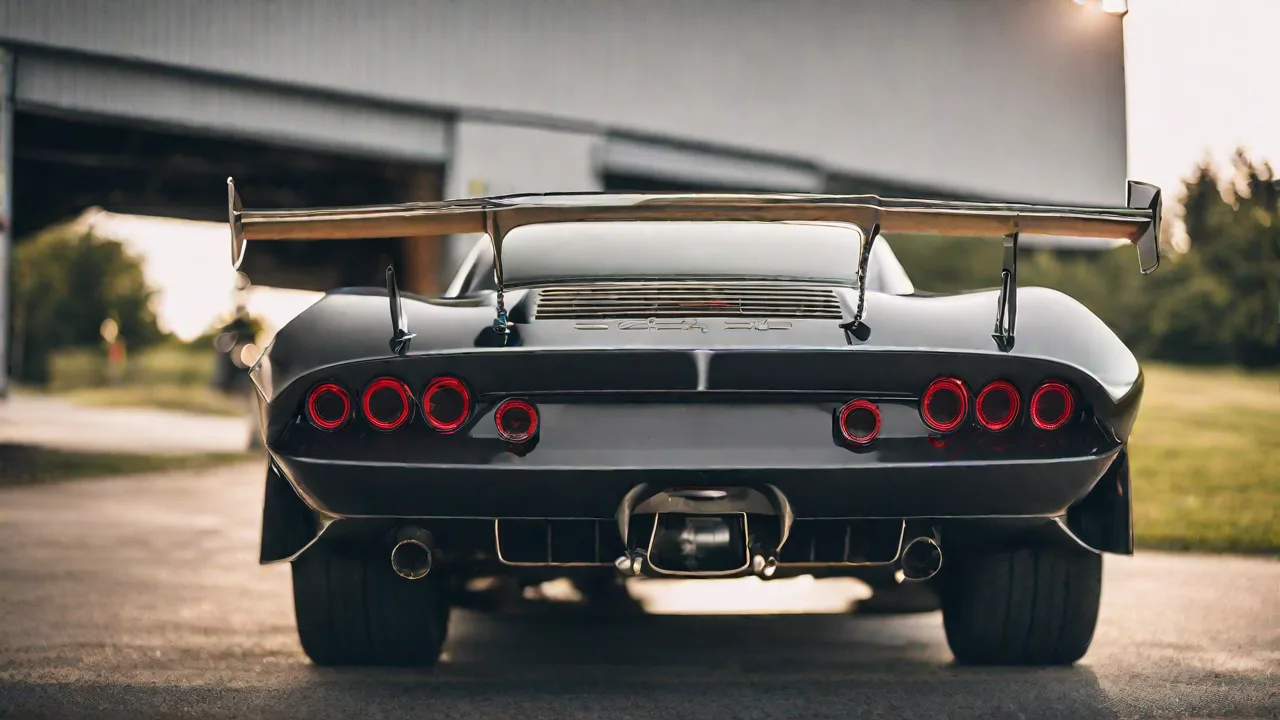
How to Incorporate Artistic Elements into Custom Exhaust Tips
Custom exhaust tips have long been a favorite modification among car enthusiasts looking to add a personalized touch to their vehicles. While these components primarily serve a functional purpose—directing exhaust gases safely away from the vehicle—they also present a unique canvas for artistic expression. By incorporating creative design elements into custom exhaust tips, owners can elevate their car’s aesthetics, making it a true reflection of their personality and style. This article delves into the fundamentals of custom exhaust tips and explores a wide range of artistic techniques, materials, and design considerations to help you transform a simple exhaust tip into a striking visual statement.
Understanding the Basics of Custom Exhaust Tips
Before diving into the artistic customization of exhaust tips, it’s essential to understand their fundamental role and characteristics. Exhaust tips are the visible endings of a vehicle’s exhaust system, protruding from beneath the rear bumper. They channel exhaust gases out of the system and can influence the vehicle’s sound and appearance.
Common Materials and Their Characteristics
Exhaust tips are manufactured from various materials, each offering distinct advantages in terms of durability, corrosion resistance, weight, and appearance:
- Stainless Steel: The most popular choice due to its excellent resistance to rust and corrosion. It offers a sleek, polished look and can withstand high temperatures.
- Chrome: Provides a shiny, mirror-like finish that enhances the visual appeal. However, chrome plating can be prone to peeling if exposed to extreme heat or impact.
- Titanium: Known for being lightweight and extremely durable, titanium tips display unique color shifts when heated, ranging from blues to purples, adding a natural artistic flair.
- Carbon Fiber: Often used as an accent material, carbon fiber tips are lightweight and convey a sporty, high-performance aesthetic.
Shapes and Sizes of Exhaust Tips
Exhaust tips come in diverse shapes and sizes, which can dramatically influence a vehicle’s rear-end styling:
- Round: The most traditional shape, offering a clean and classic look.
- Oval or Elliptical: Provides a more modern and streamlined appearance.
- Squared or Rectangular: Offers a bold, aggressive look, commonly seen on muscle cars and trucks.
- Dual or Quad Tips: Multiple tips can suggest enhanced performance and add symmetry to the rear profile.
Understanding these basics helps in choosing the right base exhaust tip before adding artistic elements, ensuring compatibility with your vehicle’s exhaust system and overall design.
Creative Techniques for Incorporating Artistic Elements
Once you have selected the appropriate exhaust tip, there are numerous ways to infuse artistic flair, ranging from subtle detailing to bold, eye-catching designs.
Engraving and Etching
Engraving and etching are timeless techniques that involve carving or corroding the surface of the exhaust tip to create permanent designs. These methods allow for intricate patterns, logos, emblems, or personalized text to be added directly to the metal.
- Laser Engraving: This modern method uses lasers to precisely etch detailed graphics or text. It offers high accuracy and can reproduce complex images such as custom logos or artwork.
- Hand Engraving: For a more artisanal touch, hand engraving involves skilled craftsmen carving designs manually. This method creates unique textures and depth but may be more costly.
- Chemical Etching: Uses acid or other chemicals to remove the metal surface selectively, producing a subtle matte design contrasting with the polished tip.
Engraving not only improves visual appeal but also imparts a sense of craftsmanship. Popular motifs include tribal patterns, racing stripes, symbolic emblems, or initials.
Custom Paint and High-Temperature Coatings
Color can dramatically transform an exhaust tip from a standard metallic finish to a bold statement piece. However, since exhaust tips endure intense heat and exposure to exhaust gases, using the right type of paint or coating is critical.
- Heat-Resistant Paint: Specially formulated to withstand temperatures up to 1200°F, these paints come in a wide range of colors and finishes, including matte, gloss, and metallic.
- Powder Coating: A durable finish applied electrostatically and cured under heat, powder coating offers superior resistance to chipping and fading. It can be applied in solid colors or textured finishes.
- Airbrushing: This artistic technique enables the creation of custom gradients, flames, camouflage patterns, or even photographic-quality images on the exhaust tips. Combined with heat-resistant clear coats, airbrushed designs remain vibrant and protected.
- Color-Changing Finishes: Some coatings and paints change color depending on heat levels, creating dynamic visual effects during driving.
When painting exhaust tips, preparation is key: thoroughly clean and sand the surface to ensure proper adhesion, and always apply multiple thin layers for a smooth, long-lasting finish.
Adding Decorative and Functional Accents
Beyond engraving and paint, additional decorative elements can be applied to enhance both aesthetics and functionality.
- Metal Inlays: Embedding contrasting metals such as brass, copper, or colored steel into the tip surface creates a striking visual contrast and texture variation.
- Carbon Fiber Wrapping: Wrapping or overlaying carbon fiber sheets on parts of the exhaust tip adds a high-tech, performance-inspired look.
- LED Lighting: Integrating LED rings or strips around the exhaust tip’s edge creates a futuristic glow effect, especially popular in show cars. LEDs must be properly sealed and heat-resistant to withstand exhaust conditions.
- 3D-Printed Components: With advances in 3D printing, custom-designed exhaust tip components or embellishments can be fabricated using heat-resistant materials, allowing for unique shapes and patterns not achievable through traditional manufacturing.
These enhancements can be combined with other techniques or used individually to achieve a tailored design that complements your vehicle’s theme.
Custom Shapes and Fabrication
For those seeking truly unique exhaust tips, custom fabrication offers the ability to create one-of-a-kind shapes and designs:
- Hydroforming and Mandrel Bending: These processes shape metal tubing into complex curves and contours without damaging the material, enabling creative tip shapes such as twisted, flared, or stacked designs.
- Multi-layered Tips: Constructing tips with multiple layers or staggered edges adds depth and a three-dimensional effect.
- Integration of Logos or Emblems: Custom tips can be fabricated to incorporate brand logos, car emblems, or personalized symbols embossed or cut out of the metal.
Working with experienced metal fabricators or exhaust specialists ensures the custom tip not only looks exceptional but also performs reliably under heat and vibration.
Design Considerations and Planning
Artistic customization requires thoughtful planning to ensure the final product enhances your vehicle harmoniously without compromising function or longevity.
Matching Your Vehicle’s Style
Your exhaust tip should complement the overall design language of your car. For instance:
- Sports Cars: Aggressive, angular shapes with bold colors or carbon fiber accents work well.
- Classic Cars: Polished chrome with subtle engraving or vintage-style etching preserves authenticity.
- Luxury Vehicles: Sleek, understated designs with high-quality materials such as titanium or brushed stainless steel convey sophistication.
- Off-Road Vehicles: Durable finishes with rugged textures and protective coatings provide a practical yet stylish look.
Heat Management and Durability
Since exhaust tips endure extreme heat and corrosive exhaust gases, materials and decorative elements must be heat-resistant and corrosion-proof. Avoid paints or embellishments that can degrade or emit toxic fumes when heated.
Legal and Safety Considerations
In some regions, modifications to exhaust systems must comply with noise regulations and emissions standards. Be sure your custom tips do not alter exhaust flow or sound beyond legal limits. Additionally, ensure that artistic additions do not obstruct exhaust gases or pose fire hazards.
Practical Tips for a Successful Artistic Integration
- Research and Inspiration: Gather ideas from automotive magazines, online forums, and custom shops to determine styles and techniques that resonate with you.
- Consult with Professionals: Engage experienced metalworkers, painters, or custom exhaust specialists to ensure quality workmanship and safety.
- Prototype and Mock-ups: Use digital design software or physical mock-ups to visualize your ideas before committing to permanent modifications.
- Maintenance and Care: Regularly clean exhaust tips to prevent buildup of soot and corrosion. Use specialized metal polishes and avoid abrasive cleaners that could damage artistic finishes.
- Protective Coatings: Apply clear ceramic or high-temperature sealants to preserve paint and engravings from discoloration and wear.
Case Studies: Inspiring Examples of Artistic Exhaust Tips
To illustrate the potential of artistic exhaust tips, here are some inspiring examples:
- Flame-Patterned Tips on a Muscle Car: Using airbrushed heat-resistant paint, a vivid flame design wraps around dual chrome tips, emphasizing the vehicle’s power and speed.
- Laser-Etched Logo on a Supercar: A precision-etched manufacturer’s emblem adorns a titanium tip, combining branding with high-performance materials.
- Carbon Fiber and LED Accents on a Show Car: Carbon fiber sleeves encase polished stainless steel tips, surrounded by subtle blue LED lighting that illuminates at night.
- Custom Fabricated Geometric Tips on a Modified Truck: Square-shaped tips with staggered layers and brass inlays create a rugged yet sophisticated look tailored to the truck’s aggressive stance.
Conclusion
Incorporating artistic elements into custom exhaust tips transforms a functional vehicle component into a personalized work of art. From traditional engraving and heat-resistant paint to innovative materials and lighting, the possibilities are vast and limited only by your creativity. By understanding the basics, carefully planning your design, and choosing the right techniques and materials, you can create exhaust tips that not only enhance your car’s performance but also make a bold statement on the road. Whether you prefer subtle elegance or eye-catching flair, custom artistic exhaust tips offer an exciting way to express your automotive passion and individuality.