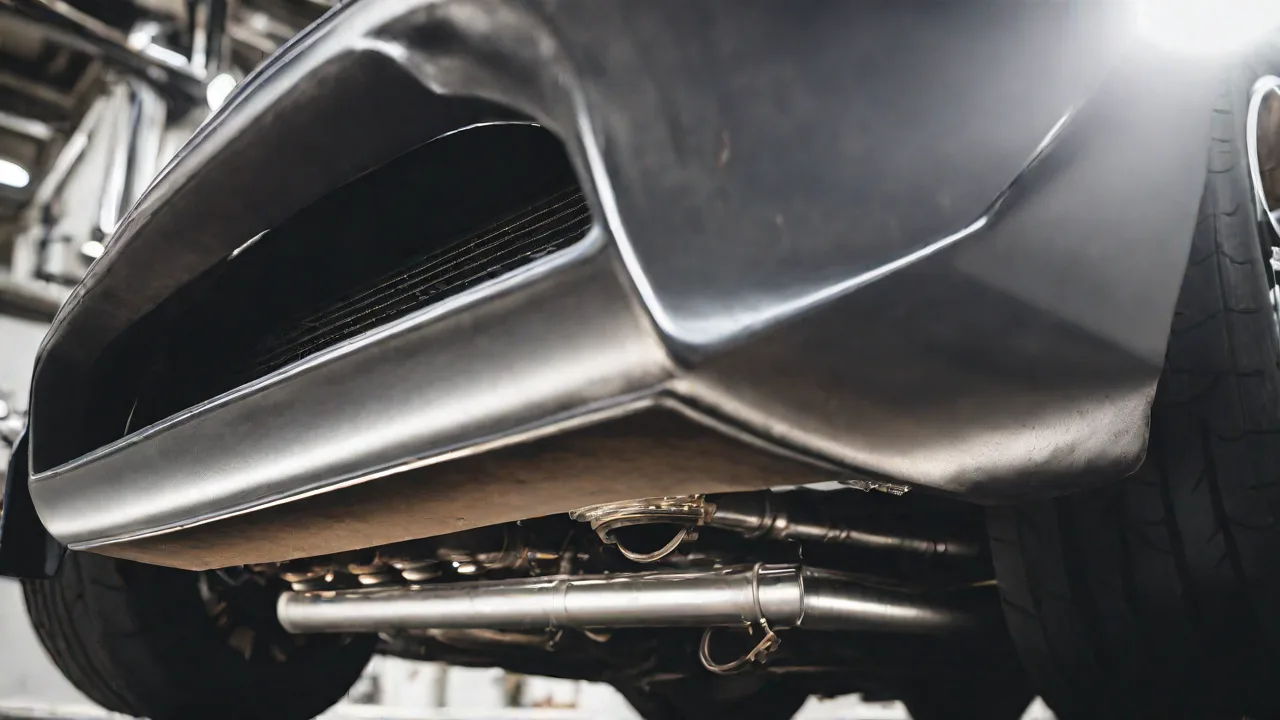
Creating a Personalized Exhaust System with Artistic Metalwork
Creating a personalized exhaust system with artistic metalwork is a captivating fusion of automotive engineering and creative craftsmanship. For car enthusiasts who seek to elevate their vehicle beyond standard performance and aesthetics, custom metalwork offers a distinctive way to showcase individuality while enhancing exhaust functionality. This process not only improves sound, flow, and efficiency but also transforms the exhaust into a rolling piece of art that reflects the owner’s personality and style.
What Is Artistic Metalwork in Exhaust Systems?
Artistic metalwork refers to the skillful shaping, forming, and embellishing of metal components to produce both functional and visually striking creations. Within the realm of exhaust systems, this encompasses the custom fabrication of pipes, mufflers, tips, brackets, and decorative elements that deviate from traditional factory designs. Instead of mass-produced, uniform parts, artistic metalwork results in exhaust components that are truly unique, often featuring intricate patterns, unique shapes, and personalized finishes.
This craft demands a deep understanding of metallurgy, welding techniques, and automotive dynamics, as each piece must withstand extreme heat, resist corrosion, and maintain structural integrity while delivering optimal exhaust flow. Artistic metalwork can range from subtle engraving on exhaust tips to elaborate sculptural designs integrated into the exhaust piping itself.
Benefits of Creating a Personalized Artistic Exhaust System
- Unique Aesthetic Appeal: Artistic exhausts serve as a bold visual statement, setting your vehicle apart from the crowd with bespoke designs that attract admiration and spark conversations.
- Enhanced Performance: When engineered correctly, a custom exhaust system improves gas flow, reduces backpressure, and optimizes sound output, contributing to better engine efficiency and power delivery.
- Personal Expression: The process allows owners to imprint their personality and tastes onto their vehicle, resulting in a deeply satisfying blend of function and art.
- Increased Vehicle Value: High-quality custom exhausts crafted by skilled artisans can increase the resale value by appealing to niche markets of collectors and enthusiasts.
- Durability and Quality: Using premium materials such as stainless steel or titanium ensures longevity and resistance to rust and heat damage.
Planning Your Personalized Exhaust System
Before embarking on the fabrication process, meticulous planning is essential to ensure the final product meets both aesthetic and performance goals. Consider the following key factors:
1. Define Your Design Vision
Decide how you want the exhaust to look and sound. Do you prefer a sleek, minimalist style or intricate, decorative patterns? Some enthusiasts opt for laser-etched designs or hand-hammered textures on exhaust tips, while others integrate custom logo cutouts or sculptural elements.
2. Choose the Right Materials
- Stainless Steel: The most common choice for exhaust systems due to its corrosion resistance, strength, and ease of welding. It also accepts various finishes well, including polishing and ceramic coatings.
- Titanium: Lightweight and highly heat-resistant, titanium is favored in high-performance and racing applications. Its unique color shifting under heat adds an artistic dimension but comes at a higher cost.
- Mild Steel: Less expensive and easier to work with but prone to rust if not properly coated or maintained.
- Inconel and Other Exotic Alloys: Used in specialized racing or show applications for superior heat resistance and strength.
3. Select Exhaust Tip Styles
The exhaust tip is often the most visible part of the system, making it a prime candidate for artistic customization. Popular styles include:
- Slash-cut: Angled ends that create a sporty, aggressive look.
- Rolled Edge: Smooth, rounded edges for a refined finish.
- Dual or Quad Tips: Multiple outlets that can be arranged symmetrically or asymmetrically.
- Custom Shapes: Ovals, rectangles, or uniquely sculpted forms that complement the vehicle’s design language.
4. Decide on Finishes and Color Treatments
Finishing touches greatly impact the final appearance. Options include:
- Polishing: Produces a mirror-like shine, highlighting the metal’s natural beauty.
- Brushing: Creates a textured, matte effect for a subtle yet elegant look.
- Powder Coating: Offers a durable, colorful finish resistant to chipping and corrosion.
- Heat Coloring: Titanium and stainless steel can be heat-treated to develop vibrant blues, purples, and golds, adding dynamic visual interest.
- Ceramic Coating: Provides thermal protection and can be customized in various colors.
Tools and Techniques for Artistic Exhaust Fabrication
Crafting an artistic exhaust system requires specialized tools and mastery of metalworking techniques. The following are commonly used in the fabrication process:
Cutting and Shaping
- Tube Cutters and Saws: For precise cutting of exhaust pipes to exact lengths.
- Mandrel Benders: Enable smooth, wrinkle-free bends in tubing without collapsing the pipe diameter, critical for maintaining exhaust flow.
- English Wheel: Used for shaping smooth curves and panels in sheet metal for decorative parts or heat shields.
- Planishing Hammer: Helps refine shapes and smooth metal surfaces.
Welding
Welding is the backbone of exhaust fabrication and requires skill to maintain strength and appearance:
- TIG Welding (Tungsten Inert Gas): Preferred for its precision, control, and clean welds essential for stainless steel and titanium.
- MIG Welding (Metal Inert Gas): Easier to learn but may produce less aesthetically pleasing welds.
- Spot Welding: Occasionally used for attaching smaller decorative elements.
Surface Finishing
- Grinding and Sanding: Remove weld spatter and prepare surfaces for polishing or coating.
- Polishing Wheels and Buffing Compounds: Create a high-gloss finish on stainless steel components.
- Engraving Tools or Laser Etchers: Add intricate designs or logos to exhaust tips or plaques.
Step-by-Step Guide to Crafting Your Artistic Exhaust System
Below is a comprehensive overview of the fabrication sequence from concept to installation:
1. Measurement and Planning
Begin by measuring your vehicle’s existing exhaust layout or the planned routing path. Take note of clearance points, mounting brackets, and connection flanges. Use these measurements to draft detailed design blueprints or 3D models.
2. Cutting Pipes
Using your measurements, cut exhaust pipes to length with tube cutters or saws. Precision at this stage ensures proper fit and alignment.
3. Bending and Shaping
Form the pipes and decorative metal parts according to your design using mandrel benders and shaping tools. This step often involves iterative adjustments to achieve the desired curves and angles.
4. Welding Components
Weld sections together using TIG welding to assemble the system. Pay attention to clean, consistent weld beads to avoid leaks and maintain strength. For artistic elements, weld decorative patterns or panels onto the main pipes.
5. Finishing and Detailing
Grind welds smooth and polish or apply chosen finishes. Add engraving, color treatments, or heat coloring to enhance the artistic appeal.
6. Mock Installation and Fitment Check
Before final installation, perform a dry fit on the vehicle to verify alignment, clearances, and mounting points. Adjust as necessary.
7. Final Installation
Mount the exhaust system securely using appropriate hangers, clamps, and gaskets. Ensure all joints are sealed to prevent leaks and check for interference with suspension or body components.
Safety Considerations and Best Practices
Working with metals and welding equipment involves inherent risks. Observing safety precautions is paramount throughout the fabrication process:
- Personal Protective Equipment (PPE): Always wear welding helmets, gloves, long sleeves, and respirators to protect against sparks, UV radiation, and fumes.
- Ventilation: Perform welding and metalworking in well-ventilated areas to minimize inhalation of hazardous gases.
- Fire Safety: Keep fire extinguishers nearby and clear the workspace of flammable materials.
- Accurate Measurements: Double-check all dimensions and fitments to avoid costly mistakes.
- Heat Management: Be aware of heat distortion during welding and use clamps or jigs to maintain pipe shape.
Examples and Inspirations for Artistic Exhaust Designs
To spark creativity, here are some noteworthy artistic exhaust design concepts:
- Laser-Cut Patterns: Exhaust tips featuring laser-cut tribal designs, logos, or abstract patterns that glow when hot.
- Hand-Hammered Textures: Creating a rustic, artisan feel by manually hammering the metal surface for a unique texture.
- Color-Shifting Titanium Tips: Exploiting the natural heat-based color changes in titanium to produce vibrant blues, purples, and golds.
- Sculptural Mufflers: Mufflers shaped into geometric forms or custom logos, serving as visual centerpieces.
- Integrated Lighting: Incorporating LED lighting into exhaust tips for dramatic night-time effects.
Maintenance Tips for Artistic Exhaust Systems
To preserve both the beauty and functionality of your custom exhaust, regular maintenance is crucial:
- Cleaning: Use metal-specific cleaners and avoid abrasive materials that can scratch polished surfaces.
- Inspection: Periodically check welds and mounting points for cracks or looseness.
- Corrosion Prevention: Apply protective coatings or waxes suitable for high-temperature metals.
- Heat Cycling: Be mindful that extreme heat cycles can impact finishes; avoid prolonged idling to reduce overheating.
Collaborating with Professional Metalworkers
While some enthusiasts possess the skills and equipment to undertake artistic exhaust fabrication themselves, many choose to collaborate with professional metalworkers or custom exhaust shops. Partnering with experienced artisans ensures:
- Access to advanced tools and fabrication techniques.
- Expert advice on material selection and design feasibility.
- High-quality craftsmanship with attention to detail.
- Compliance with local emission and noise regulations.
When selecting a fabricator, review portfolios, request references, and discuss your vision in detail to ensure the final product aligns with your expectations.
Conclusion
Creating a personalized exhaust system through artistic metalwork is a rewarding endeavor that marries technical expertise with creativity. By carefully planning design elements, selecting premium materials, utilizing precise fabrication techniques, and incorporating unique artistic touches, car enthusiasts can transform their exhaust from a simple functional component into a signature feature that enhances both performance and aesthetic appeal. Whether you choose to craft it yourself or collaborate with skilled artisans, an artistic exhaust system stands as a testament to your passion for automotive excellence and individual expression.