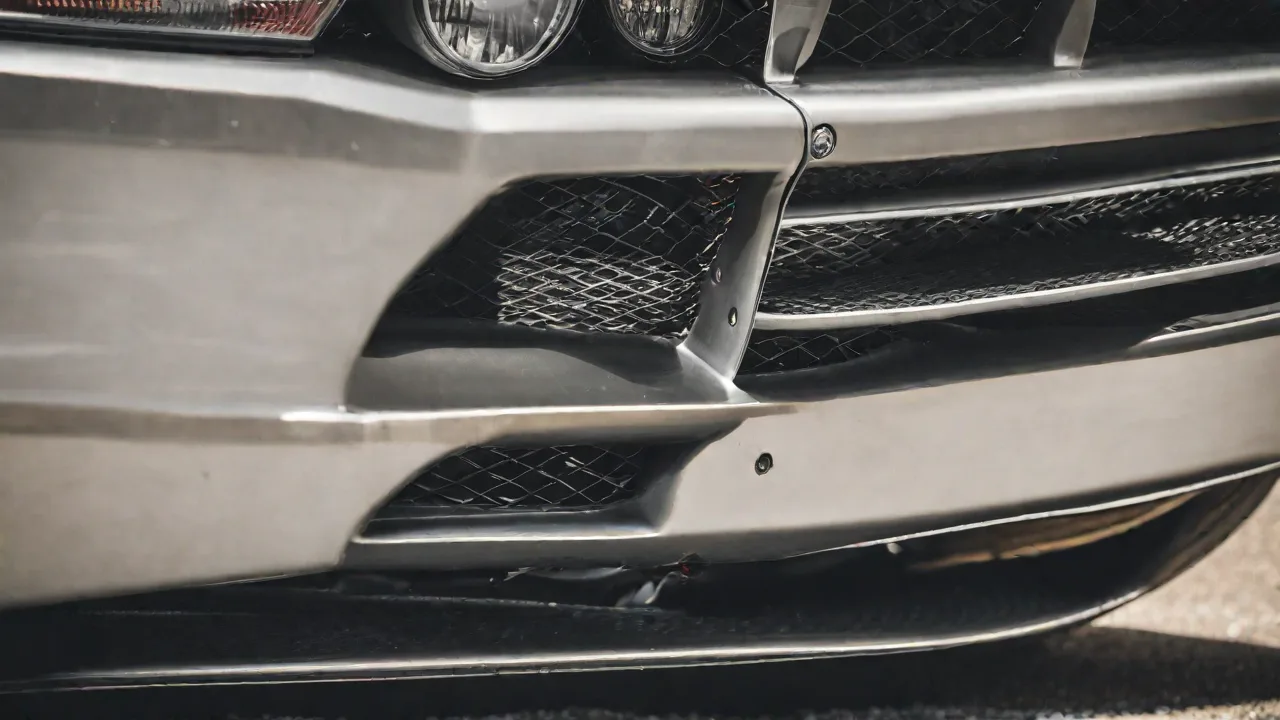
Top Tips for Maintaining Your Custom Exhaust System’s Appearance
Maintaining the appearance of your custom exhaust system is essential not only for aesthetics but also for ensuring optimal performance and extending its lifespan. Custom exhausts often represent a significant investment in both functionality and style, so taking the time to care for them properly will keep your vehicle looking sharp and running smoothly for years to come. Whether you have a stainless steel, chrome, or titanium exhaust setup, adopting a consistent maintenance routine will help prevent corrosion, discoloration, and physical damage.
Understanding Your Custom Exhaust System
Before diving into maintenance tips, it’s important to understand the materials and components that make up your custom exhaust system. Most custom exhausts are constructed from materials such as stainless steel, aluminized steel, chrome, or even titanium. Each of these materials reacts differently to environmental factors like moisture, road salt, heat, and chemicals.
- Stainless Steel: Highly resistant to rust and corrosion, stainless steel is a popular choice for custom exhausts. While more durable, it still requires cleaning to maintain its shine and prevent buildup.
- Chrome: Chrome-plated exhausts offer a mirror-like finish but are vulnerable to chipping and corrosion if not properly cared for.
- Titanium: Lightweight and heat-resistant, titanium exhausts develop a unique bluish and purple tint over time, which some enthusiasts appreciate as a sign of use and performance.
Knowing your exhaust material will help you choose the right cleaning products and protective measures to maintain its appearance effectively.
Regular Cleaning: The Foundation of Exhaust Maintenance
Cleaning your exhaust system regularly is the cornerstone of maintaining its appearance and preventing damage. Dirt, brake dust, road salt, tar, and grime accumulate quickly, especially if you drive in wet or salty conditions. These contaminants can cause corrosion and discoloration if left unchecked.
How to Clean Your Exhaust Properly
- Cool Down First: Always allow your vehicle and exhaust to cool completely before cleaning to avoid burns and prevent cleaning agents from evaporating too quickly.
- Use the Right Products: Choose a gentle degreaser or a dedicated exhaust cleaner designed for your exhaust material. Avoid harsh chemicals that can damage finishes or coatings.
- Soft Brushes and Cloths: Use a soft-bristle brush or microfiber cloth to scrub away dirt and grime gently. For stubborn spots, a fine steel wool pad can be used cautiously on stainless steel surfaces but avoid on chrome to prevent scratching.
- Rinse and Dry Thoroughly: After scrubbing, rinse the exhaust with clean water to remove residue. Dry immediately with a microfiber towel to prevent water spots and oxidation.
Performing this cleaning routine every 1-2 weeks, or more frequently if you drive in harsh environments, will keep your exhaust looking pristine.
Applying Protective Coatings: Guarding Against Heat and Corrosion
Protective coatings are an excellent way to extend the life and shine of your custom exhaust system. These coatings shield the metal from rust, discoloration, and the effects of high heat generated during engine operation.
Types of Protective Coatings
- High-Temperature Ceramic Coatings: These coatings bond to the exhaust surface, creating a durable barrier that resists heat up to 1000°F (537°C) or higher. They prevent oxidation and reduce heat radiation, which can enhance performance.
- Heat-Resistant Paints: Available in a variety of finishes including matte, satin, and gloss, these paints protect against rust and discoloration. Be sure to select paint specifically formulated for exhausts to withstand extreme temperatures.
- Clear Coats and Sealants: Clear ceramic or silicone-based sealants add an extra layer of protection without altering the exhaust’s appearance, ideal for preserving polished or chrome finishes.
Application Tips
- Thoroughly clean and de-grease the exhaust surface before applying any coating.
- Follow manufacturer instructions for curing times and temperature limits.
- Apply multiple thin coats rather than one thick layer for better adhesion and durability.
- Reapply coatings as needed based on wear and environmental exposure.
Inspecting Your Exhaust System Regularly
Routine inspections help identify potential issues early, preventing costly repairs and preserving your exhaust’s appearance. Look for signs of wear, damage, or corrosion at least once a month or after long trips.
What to Look For During Inspections
- Rust and Corrosion: Check all joints, welds, and brackets for rust spots. Surface rust can be treated with rust converters and protective coatings, but extensive corrosion may require part replacement.
- Cracks and Holes: Inspect for cracks or holes that can cause exhaust leaks and degrade performance. Small cracks can sometimes be welded, but larger damage may necessitate a full replacement.
- Loose or Missing Fittings: Vibrations can loosen clamps, bolts, or hangers. Tighten or replace hardware as needed to prevent rattling and stress on the exhaust components.
- Discoloration or Burn Marks: Excessive heat can cause discoloration or warping, signaling potential issues with engine tuning or exhaust flow that should be addressed.
Document any findings and address them promptly to maintain both appearance and functionality.
Parking Strategies to Preserve Your Exhaust’s Finish
Environmental exposure plays a significant role in how quickly your exhaust system deteriorates. Whenever possible, take steps to reduce exposure to harmful elements that accelerate wear and discoloration.
Benefits of Sheltered Parking
- Protection from Moisture: Rain, snow, and humidity contribute to rust and corrosion. Parking in a garage or under a carport reduces moisture exposure.
- UV Protection: Prolonged sun exposure can fade paint and accelerate oxidation on metal surfaces. Shade or covered parking helps maintain color and finish.
- Reduced Salt and Debris Exposure: During winter months, road salt is highly corrosive. Parking off the street or in a sheltered area limits direct contact with salt and grime.
If sheltered parking isn’t available, consider using a breathable car cover designed to protect the underside and exhaust area.
Polishing and Detailing Your Exhaust System
Polishing your exhaust regularly enhances its visual appeal and adds a protective barrier against contaminants. This step is particularly important for chrome and stainless steel exhausts where shine is a key aesthetic feature.
Choosing the Right Polish
- Metal Polishes: Use metal polishes formulated for automotive exhausts, which often contain mild abrasives and protective oils.
- Chrome-Specific Products: For chrome exhaust tips, specialized chrome polishes restore mirror-like finishes and protect against pitting.
- Stainless Steel Polishes: Designed to remove minor oxidation and fingerprints while enhancing natural luster.
Polishing Techniques
- Apply polish with a soft cloth or applicator pad in circular motions.
- Allow polish to haze slightly, then buff off with a clean microfiber towel.
- For heavily tarnished areas, repeat the process or use a fine abrasive pad cautiously.
- Finish with a wax or sealant to lock in shine and add further protection.
Regular polishing every few weeks, depending on driving conditions, keeps your exhaust looking showroom-new and helps prevent long-term damage.
Additional Tips for Maintaining Exhaust Appearance
- Avoid Harsh Chemicals: Avoid household cleaners, brake cleaners, or acidic substances on your exhaust as they can strip protective coatings and damage metal.
- Address Leaks Promptly: Exhaust leaks not only reduce performance but also cause heat and fumes that can discolor or damage surrounding components.
- Manage Condensation: Short trips often cause water condensation inside the exhaust, leading to internal rusting. Periodically taking longer drives helps evaporate moisture.
- Professional Detailing: Consider professional detailing services that specialize in custom exhausts for deep cleaning and restoration.
- Upgrade Components: If your exhaust system shows persistent wear, upgrading to higher-quality or coated components can improve durability and appearance.
Troubleshooting Common Exhaust Appearance Issues
Discoloration and Heat Staining
Exhaust pipes often change color due to heat cycling, especially titanium and stainless steel systems. While some discoloration is normal and even desirable for enthusiasts, excessive blue, gold, or brown staining can indicate overly high exhaust temperatures or tuning issues. Addressing engine tuning and ensuring proper exhaust flow can reduce unwanted staining.
Surface Rust and Corrosion
Surface rust usually starts as small orange or brown spots. Cleaning these areas promptly with fine steel wool or sandpaper, followed by rust converter and protective coating, will halt progression. For extensive rust, component replacement may be necessary.
Scratches and Scrapes
Physical damage from road debris or contact with curbs can scratch or dent your exhaust. Minor scratches can be polished out, but deeper gouges may require refinishing or part replacement to prevent corrosion.
Conclusion
Maintaining the appearance of your custom exhaust system goes beyond simple aesthetics—it plays a vital role in preserving performance and extending the life of your investment. By adopting a comprehensive maintenance routine that includes regular cleaning, protective coatings, frequent inspections, sheltered parking, and polishing, you can keep your exhaust looking sharp and functioning efficiently. Understanding the specific needs of your exhaust material and addressing any issues promptly ensures your custom exhaust remains a standout feature of your vehicle for many miles and years ahead.
Remember, consistent care is key. Start incorporating these tips into your vehicle maintenance schedule today to enjoy a gleaming, high-performing custom exhaust system that turns heads wherever you go.